
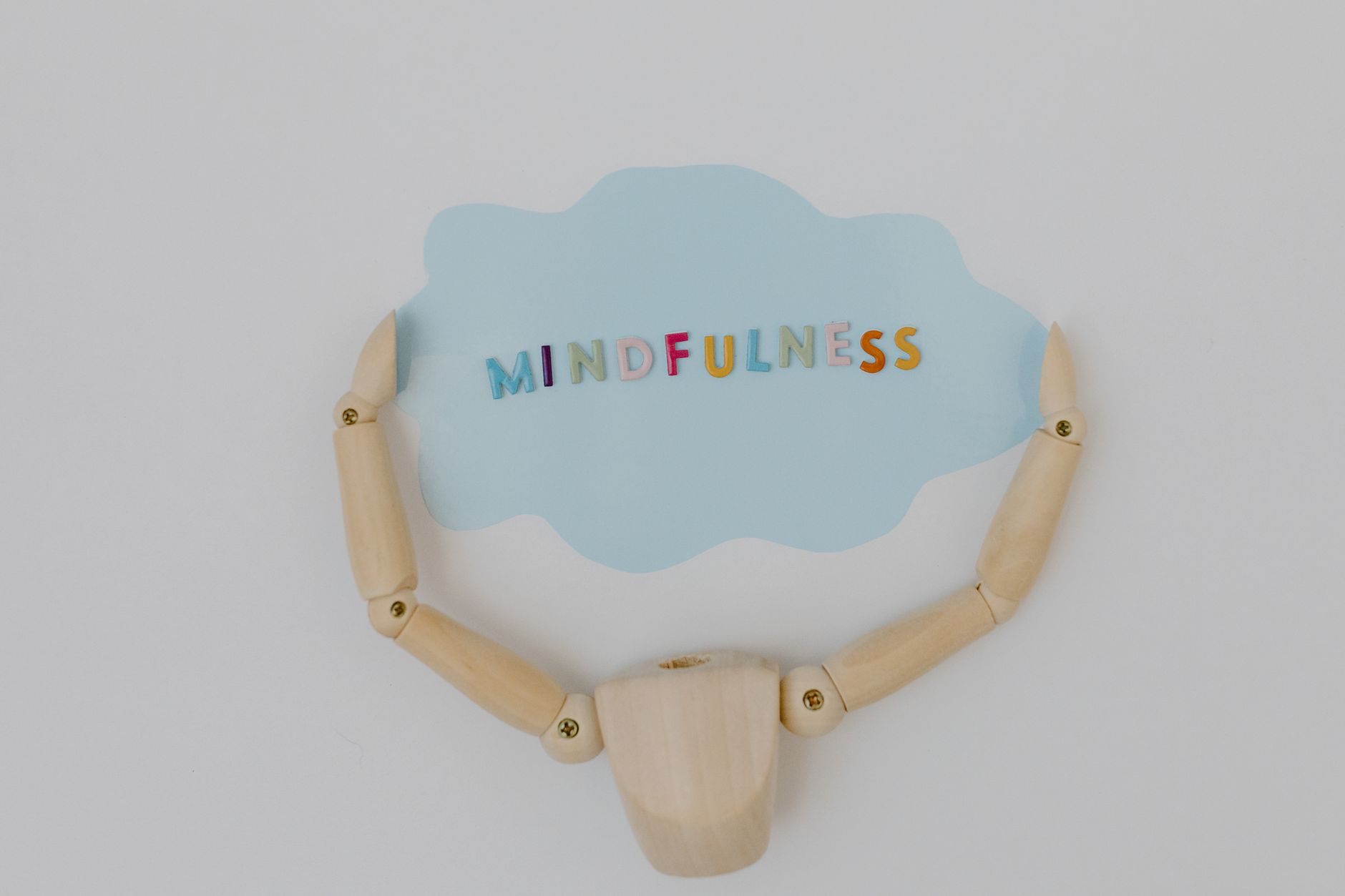
A new report from The American Bazaar looks at ahimsa, the practice of non-harm, and its place in mental wellness.
From what was shared, the piece suggests that this old idea has quiet value today. Non-harm is not only about how we treat others. It is also about how we speak to ourselves.
The angle feels timely. Many of us live inside a running critique. Ahimsa offers another way.
What ahimsa really means
Ahimsa is often translated as non-violence. But the softer meaning is kindness in action. A refusal to add harm where harm already exists.
Applied inward, it becomes gentleness. You stop punishing yourself for being tired. You stop replaying the small mistake. You let the moment pass without adding weight to it.
This is not passivity. It is a choice. To not strike, even at yourself.
Why this matters for everyday people
Most of us do not need more discipline. We need less cruelty.
The inner voice can be relentless. It measures. It compares. It reminds you of every place you fell short. Over time this noise wears the mind thin.
Ahimsa interrupts the pattern. Not with a grand plan, but with a small pause. In that pause, you get to choose a kinder response.
You do not have to earn rest by suffering first.
This is the shift the report seems to point toward. Wellness is not always something you push for. Sometimes it is something you stop blocking.
Non-harm in the body, too
Movement can carry the same spirit. So much of fitness culture is built on force. Punish the body. Override the signals. Earn your worth through strain.
Ahimsa asks a softer question. What would care look like here.
A walk instead of a grind. A stretch held without straining. Rest taken without guilt. The body responds to kindness the way anything living does. It softens. It opens.
One practice for today
Choose one moment when the critical voice appears. It will not be hard to find.
When it comes, try this:
- Notice the harsh thought without believing it.
- Ask what you would say to a friend in the same place.
- Say that to yourself instead. Quietly. No performance.
That is ahimsa. Small, plain, repeatable.
You will not do it perfectly. That is fine. The practice is in returning, not in never leaving.
A gentle boundary counts too
Non-harm sometimes means saying no. Protecting your evening. Stepping back from a conversation that only drains.
Kindness to yourself is not selfish. It is what lets you stay soft with others.
The Manifested Fit take
We tend to think transformation requires pressure. But pressure often just repeats the old harm in a new outfit.
What the report gestures toward is quieter. That healing can begin the moment you stop adding to the pile.
Manifestation works the same way. You cannot call something good toward you while attacking yourself the whole time. The two cancel out. Ahimsa clears the space. It lets the wanting feel less like a fight.
Start small. One kind thought. One easeful breath. One choice to not strike.
If you would like a structure to lean on, our free 7-Day Mind-Body Reset at manifestedfit.com offers gentle daily prompts for movement, mindset, and rest. Nothing forced. Just a soft place to begin.
Non-harm is not a rule to master. It is a way of turning toward yourself.
Try it once today. Notice what loosens.
Originally reported by The American Bazaar: “The power of ahimsa in promoting mental wellness”. The summary and takeaways above are our own.
Daily calm, real habits — follow the Manifested Fit page, chat with us in the community group, or subscribe on YouTube.
Keep exploring
More for you
The BioEnergy Code
A self-guided audio program that pairs guided meditation with simple energy-center work — a gentle next step if the daily reset resonates with you.
The Genius Switch
Short daily audio sessions designed to help you settle into deeper focus — about seven minutes a day, headphones on.

Affiliate link — if you buy through it, Manifested Fit may earn a commission at no extra cost to you.
Leave a Reply