
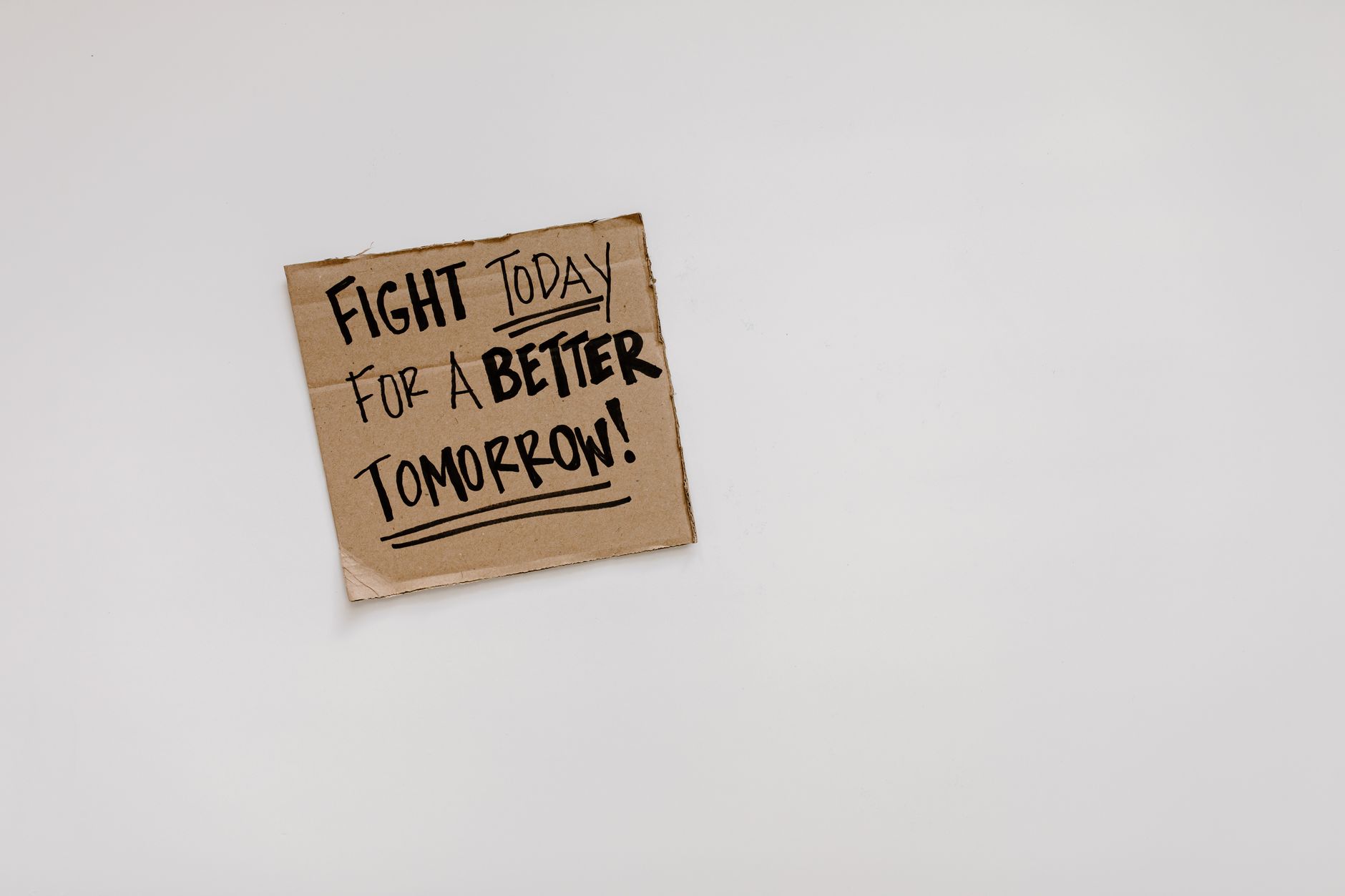
You closed the laptop. You brushed your teeth. And then it starts: the mental replay of everything you didn’t get to. The email you meant to send. The thing you promised yourself you’d start. You lie there feeling like you failed a test nobody graded.
That’s the to-do list hangover. It’s the guilt that lingers after the workday ends because your brain never got the memo that you’re off the clock.
Here’s the real reason it happens: your brain doesn’t know when the day is over unless you tell it. Without a clear signal, it keeps the tabs open. And here’s what to do about it.
Why unfinished feels like failure
Your list is never actually done. That’s not a personal flaw. That’s how lists work. Finish three things, and two more appear. If “done” is your finish line, you will lose the race every single night.
So the problem isn’t your productivity. It’s the standard. You’re measuring your day against an imaginary version where everything got handled. Nobody’s day looks like that.
The fix isn’t doing more. It’s learning to close the day on purpose, the same way you’d lock up a shop. The work will still be there tomorrow. You don’t have to carry it to bed.
The “Enough for Today” closing ritual
This takes about three minutes. Do it at the same point every evening, ideally right when you stop working, not right when you fall asleep. The whole point is to create a clean edge between “working” and “living.”
- Physically stop. Close the laptop, tidy your desk, or shut the door to the room you work in. Give your body a signal an ending is happening.
- Dump the leftovers. Write down everything still on your mind for tomorrow. Not to do it now, just to get it out of your head and onto paper. Your brain holds onto tasks it thinks it might forget. Writing them down tells it: it’s safe to let go.
- Name one thing that went okay. Not the best thing. Not a win worth celebrating. Just one thing that went okay. “I answered the hard email.” “I took a walk.” “I showed up.” This trains your brain to notice completion instead of only scanning for gaps.
- Say the line. Out loud if you can: “That was enough for today.” It feels awkward. Say it anyway. You’re closing the loop your brain has been leaving open.
That’s it. No app, no journal system, no elaborate setup. The ritual works because it’s repeatable, not because it’s fancy.
Why naming “one thing that went okay” matters
Your mind has a negativity habit. Left alone, it will list the ten things you missed and skip the forty you handled. Naming one okay thing isn’t fake positivity. It’s a correction. You’re just balancing the scale that tips too far toward criticism on its own.
Keep it small and honest. If the whole day was hard, “I got through it” counts. Getting through a hard day is a real thing that took real effort.
Separating your worth from your output
Here’s the part that actually frees you: you are not your to-do list.
Somewhere along the way a lot of us learned that a productive day equals a good person and a slow day equals a lazy one. That math is broken. Your value isn’t a running total of tasks completed. You don’t earn your rest. You don’t have to justify existing by producing.
A day with less done is not a day less lived. And you are worth the same at 6pm whether you crushed it or crawled through it.
Try this reframe when the guilt shows up: instead of “I didn’t get enough done,” ask “Did I do what I could with the day I actually had?” Some days you have eight good hours. Some days you have two, because you were tired, or sick, or life happened. Judging every day by your best day is a setup for feeling like a failure most of the time.
What to do when the guilt comes back anyway
It will, at first. Old habits argue. When your brain starts the replay, don’t fight it. Just answer it: “Noted. It’s on tomorrow’s list. That was enough for today.” Then redirect to something that isn’t work, tea, a book, a stretch, a show.
You’re not ignoring the guilt. You’re refusing to let it run the night shift.
Give it a week
You won’t feel different the first night. This is a practice, not a switch. But do the closing ritual for seven days straight and you’ll notice the evenings soften. The tabs close a little easier. Bedtime stops being the arena where you relitigate your whole day.
If you want a simple structure to build calmer evenings and steadier days, the free 7-Day Mind-Body Reset at manifestedfit.com is a gentle place to start.
You did what you could today. Write down tomorrow’s stuff. Name one thing that went okay. Then say it and mean it: that was enough for today.
Daily calm, real habits — follow the Manifested Fit page, chat with us in the community group, or subscribe on YouTube.
Keep exploring
More for you


The Billionaire Wealth Mindset Blueprint
A curated study of how successful people frame decisions and opportunity — mindset reading, not a money-making promise.



The BioEnergy Code
A self-guided audio program that pairs guided meditation with simple energy-center work — a gentle next step if the daily reset resonates with you.



Affiliate link — if you buy through it, Manifested Fit may earn a commission at no extra cost to you.
Leave a Reply