It’s Not Just About You (and That’s a Good Thing)
We often think of wellness as a purely individual journey: what we eat, how we move, how we manage our own stress. And while personal choices are critical, a deeper truth is emerging about what truly fuels our overall well-being. It’s about connection.
Recently, Worcester Polytechnic Institute (WPI) underscored this vital point by dedicating a symposium to the intertwined themes of wellness, engagement, and belonging. An institution known for its rigorous academic and technical focus is now highlighting that feeling connected and engaged isn’t just a nice-to-have; it’s fundamental to our health and happiness.
This isn’t surprising when you peel back the layers. What WPI is recognizing is something many of us instinctively know but might struggle to prioritize in our busy lives: humans are wired for community. We thrive when we feel part of something bigger than ourselves.
The Real Reason Connection Works
Here at Manifested Fit, we talk a lot about gentle fitness and mindset shifts. But the real reason those things stick, the real reason you keep showing up for yourself, often comes back to connection. Why? Because belonging provides a powerful foundation for every other wellness effort.
- It provides accountability: When you’re part of a group, whether it’s a walking club, a book group, or a volunteer team, you’re more likely to show up and follow through. Others are counting on you, and you’re less likely to let yourself—or them—down.
- It offers support: Life throws curveballs. When you feel you belong, you have a network to lean on. This reduces stress, offers different perspectives, and reminds you that you’re not alone in your struggles.
- It boosts purpose: Engagement means being actively involved in something meaningful. This could be a hobby, a cause, or even just regular interactions with people who share your values. Having purpose outside of your immediate daily grind fuels motivation and provides a sense of contribution.
- It combats isolation: In an increasingly digital world, genuine connection can sometimes feel scarce. Isolation, however, is a known stressor and can have significant negative impacts on both mental and physical health. Fostering belonging is a direct antidote.
Think about it: when you feel truly seen and valued by others, your self-worth grows. When you’re engaged in activities that align with your interests, your energy levels increase. And when you have a supportive community, navigating wellness challenges—like sticking to a new fitness routine or managing daily stressors—becomes significantly easier.
Your Practical Step Today: Find Your People
The insight from Worcester Polytechnic Institute isn’t just for academics; it’s a powerful reminder for everyday people like us. We don’t need to overthink it or wait for a grand invitation. We need to intentionally cultivate spaces where we feel engaged and like we belong.
Here’s one practical thing you can do today:
Identify one activity, group, or person that makes you feel genuinely seen and energized. Then, take a small step to engage more deeply.
It could be:
- Reaching out to a friend you haven’t seen in a while to suggest a walk or coffee.
- Joining an online community (like the Manifested Fit community!) related to a hobby or interest.
- Volunteering for a local cause that resonates with you.
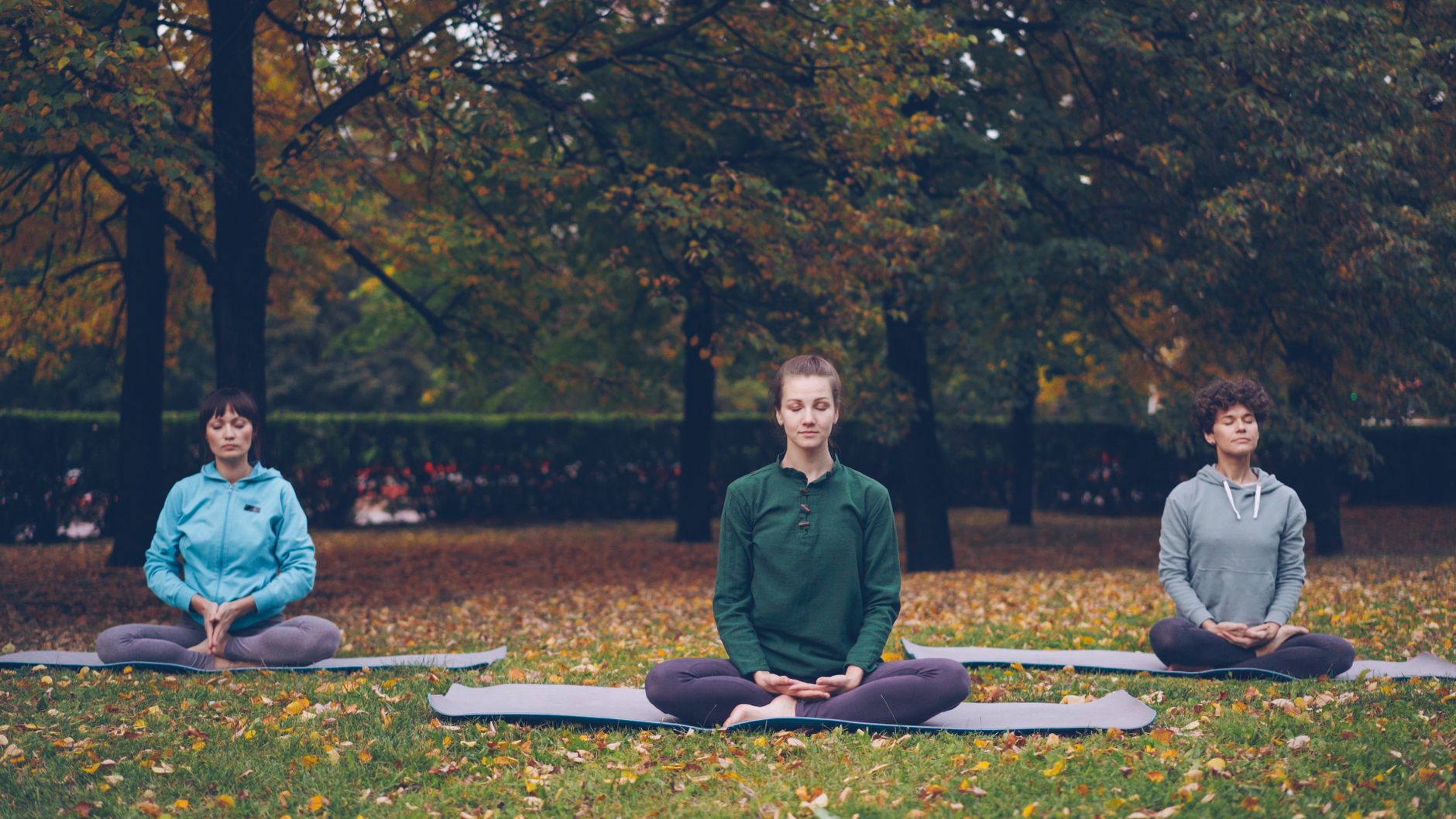
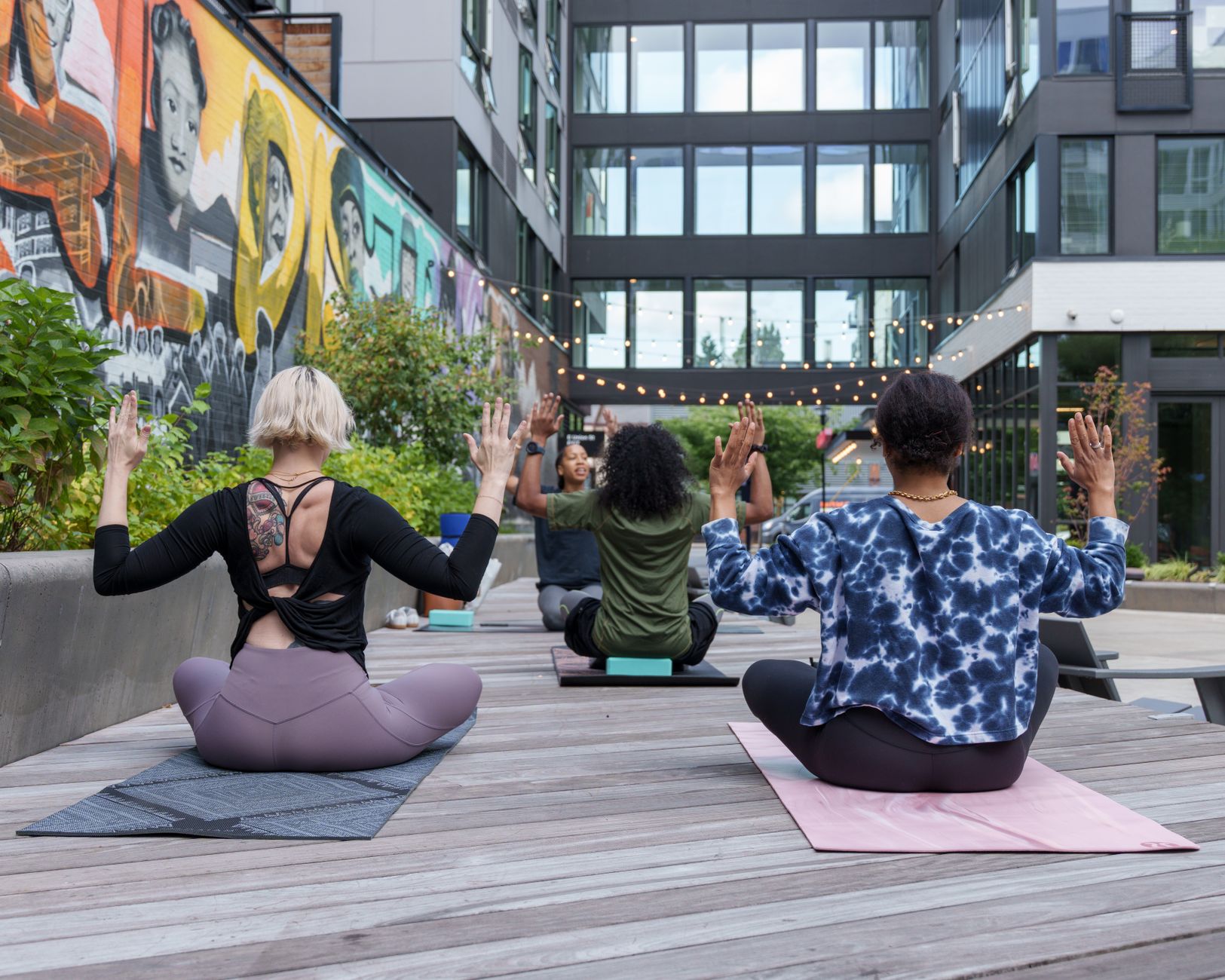
- Signing up for a beginner class (yoga, art, cooking) where interaction is encouraged.
The goal isn’t to fill your calendar, but to find one authentic connection point. Start small. Show up. Listen. Contribute. You’ll likely find that as your sense of belonging grows, your overall wellness journey becomes more sustainable, more joyful, and truly more impactful.
Want more practical steps to align your mind and body? Check out our free 7-Day Mind-Body Reset at manifestedfit.com. It’s designed to help you build a stronger foundation, and part of that foundation is understanding the power of connection.
Originally reported by Worcester Polytechnic Institute: “Register Today: Wellness, Engagement & Belonging Symposium”. The summary and takeaways above are our own.