Category: Wellness News

  • Herbalife’s Metabolic Wellness Push: What Healthy Ageing Really Means for You

    Herbalife’s Metabolic Wellness Push: What Healthy Ageing Really Means for You

    The headline that got me thinking about my metabolism

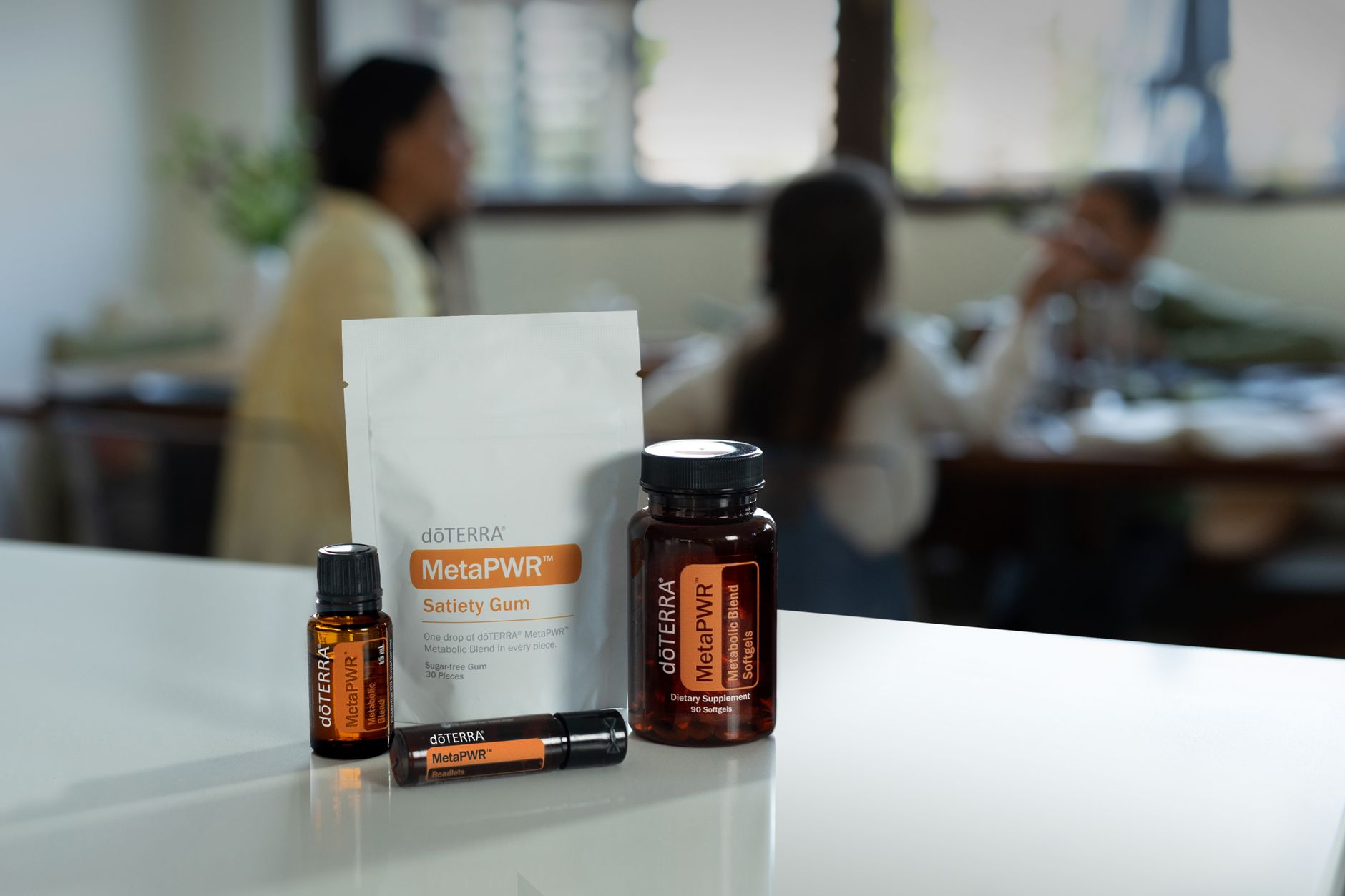
    Here’s a phrase that sounds like it belongs on a lab coat but really belongs to all of us: metabolic wellness. According to a report from Yahoo Finance Australia, Herbalife recently reinforced its commitment to metabolic wellness and healthy ageing at IISc’s RISE for Healthy Ageing Conference 2026. In plain human, that means a big company and a science crowd got together to talk about how we can feel good in our bodies for the long haul.

    Now, I’ll be honest with you u2014 the full details of what was said aren’t in front of me, so I’m not going to pretend I sat in the front row taking notes. But the theme alone is worth a wink and a nod. u201cHealthy ageingu201d used to sound like something you worried about later, like taxes or replacing your smoke detector batteries. Turns out the good stuff starts now, in the small choices, on a random Tuesday.

    The reported focus on metabolism is the part I love. Your metabolism isn’t a mysterious dragon you have to slay. It’s more like a friendly little engine humming away, converting your breakfast into the energy that lets you chase the bus, dance in the kitchen, and overthink text messages at 11pm.

    So what does u201cmetabolic wellnessu201d actually mean for the rest of us?

    Strip away the conference lanyards, and metabolic wellness is basically your body being good at using what you give it u2014 food, movement, rest u2014 without the whole system feeling like it’s running on a phone at 2% battery. And here’s the good news that no press release can take away from you: your metabolism responds beautifully to boring, gentle, repeatable habits.

    Not crash plans. Not punishment. Not eating like a monk who’s also training for a marathon. Just consistent little nudges that tell your body, hey, we’re in this for the long game.

    • Move a bit every day u2014 even a walk counts, and walking is criminally underrated.
    • Add protein and fibre to meals so your energy stays steady instead of doing a rollercoaster.
    • Sleep like it’s your job u2014 because your metabolism does a lot of its housekeeping while you’re snoring.
    • Hydrate, because a thirsty body often just wants water, not another snack.

    Healthy ageing isn’t a finish line. It’s a series of tiny, unglamorous, weirdly satisfying wins.

    The Manifested Fit take

    Here’s where I get a little sparkly on you. Reports like this one are useful because they remind us the future version of ourselves is being built right now u2014 in what we eat, how we move, and even how we talk to ourselves. Manifestation isn’t magic dust; it’s future-you leaving breadcrumbs for present-you to follow. When you picture yourself as someone strong, mobile, and energetic at 70, you tend to make choices today that quietly agree with that picture.

    And you don’t need a conference badge to start. You just need one small promise you can actually keep.

    One thing you can do today

    Pick one meal today and add a fist-sized portion of protein and a handful of something colourful and fibrous u2014 veggies, berries, whatever’s in the fridge. That’s it. No spreadsheet, no guilt. You’re just giving your friendly little engine better fuel and letting it do its thing. Repeat tomorrow. Congratulations, you’re now doing metabolic wellness, and it didn’t even cost a keynote speaker.

    If you want a gentle, no-pressure place to build these little habits into a routine, my free 7-Day Mind-Body Reset over at manifestedfit.com is basically a week of tiny wins strung together like fairy lights. Come for the vibes, stay for feeling like yourself again.

    Healthy ageing, it turns out, is mostly just being kind to future-you u2014 one snack, one walk, one good night’s sleep at a time.

    Originally reported by Yahoo Finance Australia: “Herbalife Reinforces Commitment to Metabolic Wellness and Healthy Ageing at IISc's RISE for Healthy Ageing Conference 2026”. The summary and takeaways above are our own.

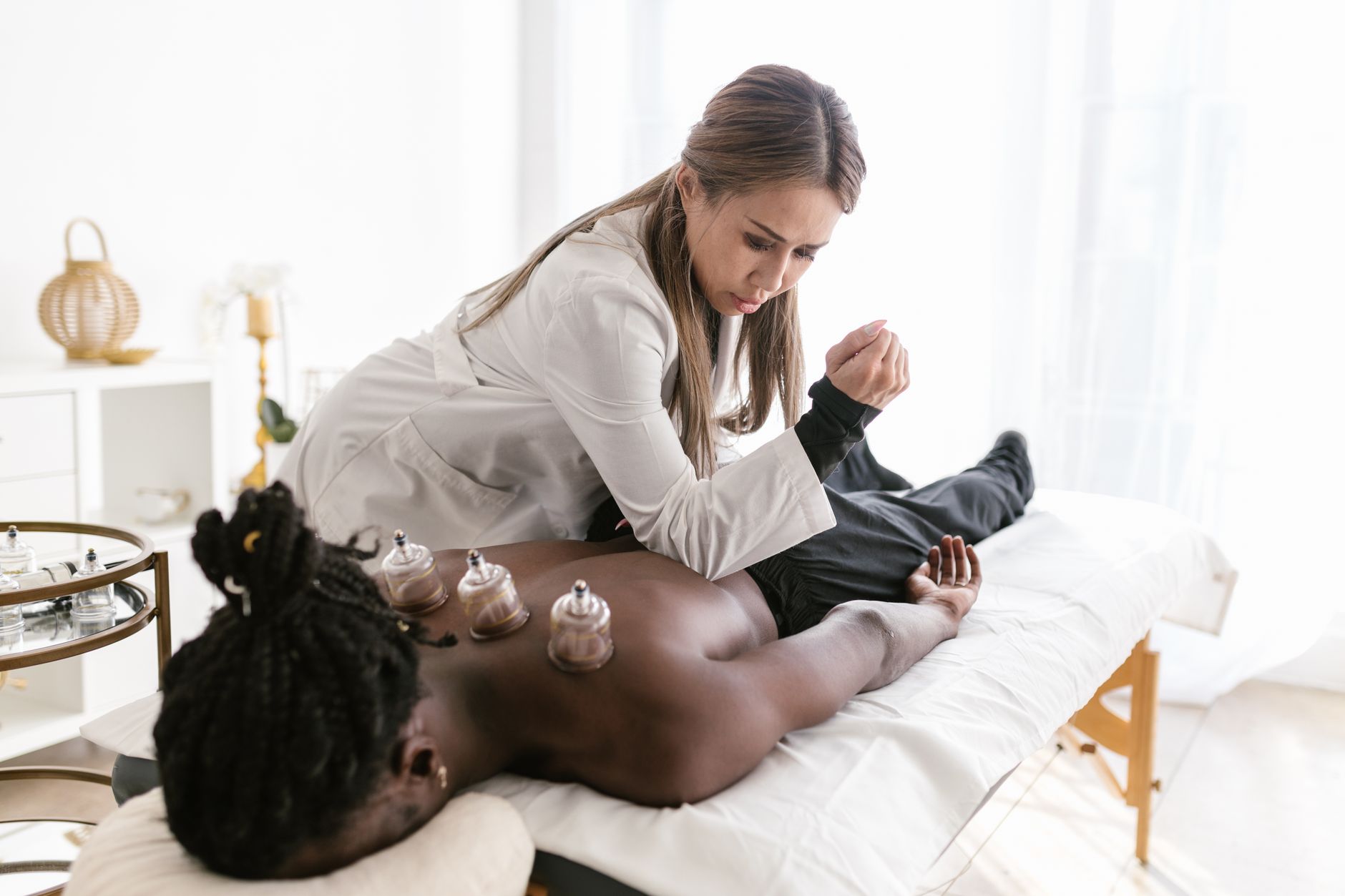
  • Ancient TCM Tools Meet Modern Wellness: What a New Report Suggests

    Ancient TCM Tools Meet Modern Wellness: What a New Report Suggests

    A quiet return to older tools

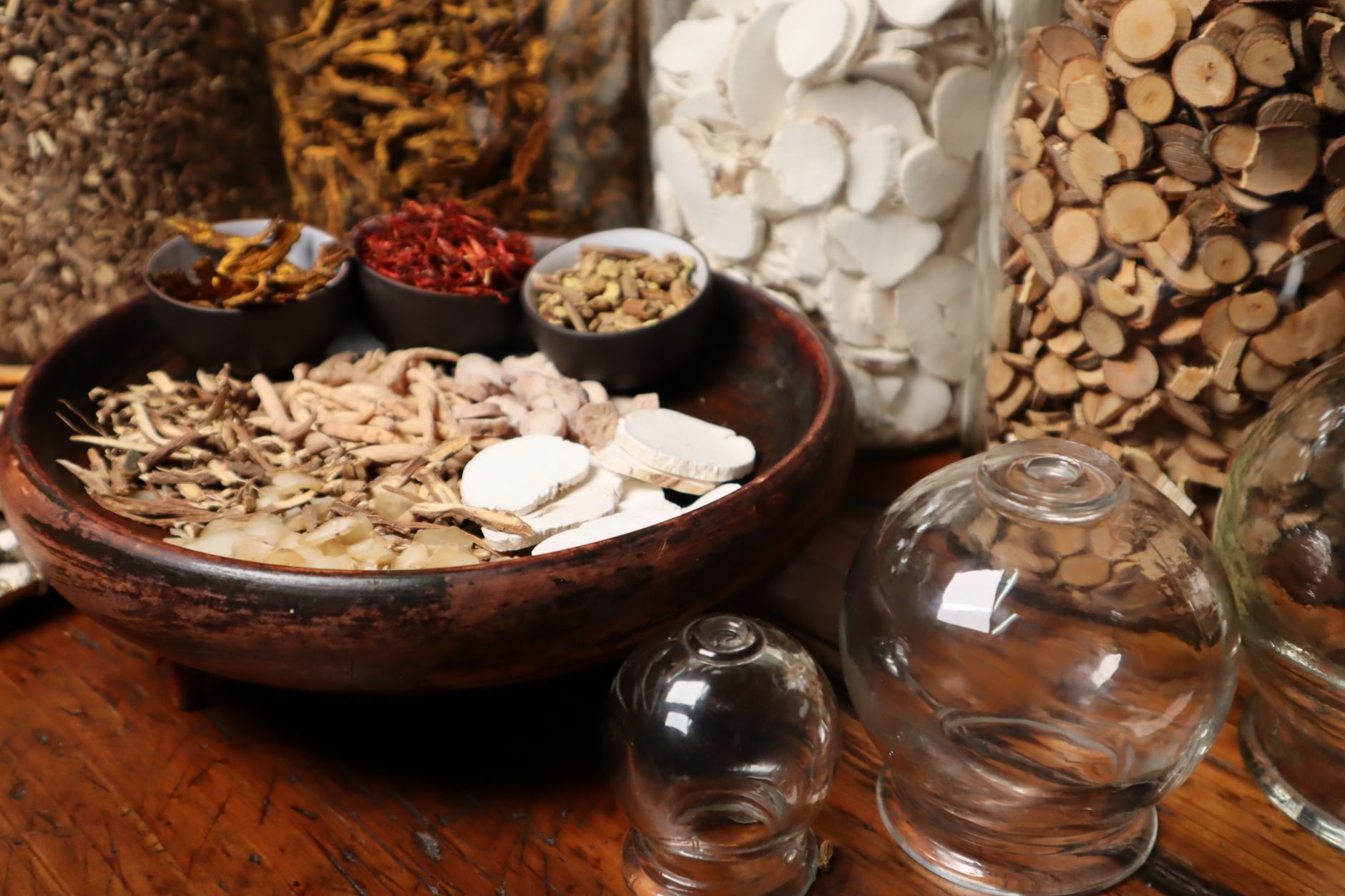
    A new report from Metro.Style points to a familiar shift. People are reaching for Traditional Chinese Medicine tools and folding them into everyday wellness routines.

    The piece, as reported by Metro.Style, frames these tools as small additions to the cart. Objects with long histories, now finding a place on modern shelves.

    I cannot speak to every claim in the report. What draws my attention is simpler. The gesture itself. The choice to touch our own care with our hands.

    Why old tools feel new

    There is nothing loud about a gua sha stone or a warm cup of herbal tea. These practices ask for slowness. They ask you to notice.

    That noticing is the real gift. Not the object. The pause it asks of you.

    Modern life moves fast. A tool that requires stillness becomes a small act of resistance. You sit. You breathe. You tend to yourself without rushing.

    The value is rarely in the tool. It is in the attention the tool invites.

    The Manifested Fit take

    For everyday people, this trend is less about buying and more about relating. A wellness tool is only as useful as the ritual around it.

    You do not need a full drawer of new things. You need one small practice you will actually return to.

    Here is the caution I would offer. It is easy to confuse purchasing with progress. To feel that a new stone or a new blend equals a new life.

    The stone waits in a drawer. The life is built in the returning.

    Choose the ritual, not the object

    If something in this trend speaks to you, ask a gentler question. Not what should I buy, but how do I want to feel when I use it.

    • Do you want calm before sleep
    • Do you want a slower morning
    • Do you want five minutes that belong only to you

    Start there. The right tool follows the intention. Not the other way around.

    One thing to do today

    Pick one item you already own. A mug. A smooth stone. A small brush. Anything you can hold.

    Set aside three minutes. Hold the object. Breathe slowly. Let your shoulders drop.

    Say to yourself what you are tending to. Rest. Ease. A softer pace. Let the object carry that meaning for you.

    This is how a tool becomes a ritual. Not through the report. Through your hands.

    Let the practice grow from stillness

    If you want to build this slowly, the free 7-Day Mind-Body Reset at manifestedfit.com offers a gentle frame. Small daily moments. Space to breathe. Nothing to rush.

    Wellness rarely arrives in a package. It arrives in the returning. In the quiet minutes you give yourself, again and again.

    The report may point to tools. Let it also point you inward.

    Choose one small thing. Hold it with care. Begin there.

    Originally reported by Metro.Style: “Add to Cart: Traditional Chinese Medicinal Tools to Add to Your Wellness Routine”. The summary and takeaways above are our own.

  • A 90-Acre Sunflower Farm Festival and What It Teaches About Rest

    A 90-Acre Sunflower Farm Festival and What It Teaches About Rest

    A recent piece from Toronto.com describes something simple and good. A 90-acre organic farm in Ontario has become the home of a music and wellness festival, set among fields of sunflowers.

    The report suggests the gathering blends live music with wellness, all held on working farmland. Rows of sunflowers as the backdrop. Open sky above.

    I have not walked those fields. But the image stays with me. So let us sit with it for a moment.

    Why a Field Feels Different

    There is a reason a farm changes the body. Space does something a room cannot.

    Sunflowers turn toward the light. They are slow, patient plants. They do not rush the sun. Standing among them, a person tends to breathe more evenly, almost without trying.

    Music adds another layer. A shared rhythm. A crowd that moves gently, together, under open air.

    The pairing of the two, music and wellness, land and sound, is not new. But it is worth noticing why it works. It gives the nervous system permission to soften.

    You do not always need a festival. Sometimes you need the feeling a festival points toward.

    The Manifested Fit Take

    Most of us will not travel to a 90-acre farm this week. That is fine. The lesson travels well without us.

    The festival works because it removes the usual walls. No screens demanding attention. No ceilings pressing down. Just open ground and a slower pace.

    You can borrow that. Not the sunflowers, exactly. The feeling underneath them.

    What the Report Gently Reminds Us

    • Open space calms the body in ways a closed room rarely does.
    • Slowness is not laziness. It is a kind of tending.
    • Music and movement, shared, ask less of us than we fear.
    • Nature does not hurry, and it still arrives where it needs to be.

    These are small truths. But small truths, practiced, tend to hold.

    One Thing to Do Today

    Find some open ground. A park. A backyard. A quiet edge of a field. Even a wide, empty sidewalk will do.

    Stand still for three minutes. Let your eyes rest on the farthest thing you can see. The horizon, a tree line, a distant roof.

    Breathe in for four counts. Out for six. Do this a handful of times.

    Notice what happens when you look far instead of close. The shoulders often drop. The jaw loosens. The mind stops circling quite so tightly.

    You are giving yourself the festival feeling without the festival. Space. Air. A slower rhythm.

    If You Want to Add Music

    Play one song you love. Not while doing five other things. Just the song.

    Stand in your open space and let it move through you. Sway if you want. Or stay still. There is no correct way to receive a sunflower field, and there is no correct way to receive a song.

    Let it be enough.

    Carrying the Field Home

    The farm in the Toronto.com piece is a lovely idea. A place built to remind people to slow down and gather.

    But the reminder is the real gift. You already hold what those fields offer. The sky is over your head right now. The breath is already yours.

    If you want a little structure for slowing down, our free 7-Day Mind-Body Reset at manifestedfit.com walks you through it, one gentle day at a time.

    Go outside. Look far. Breathe slow.

    The sunflowers know how to wait. So can you.

    Originally reported by Toronto.com: “This 90-acre organic Ontario farm is home to a music and wellness festival set among sunflowers”. The summary and takeaways above are our own.
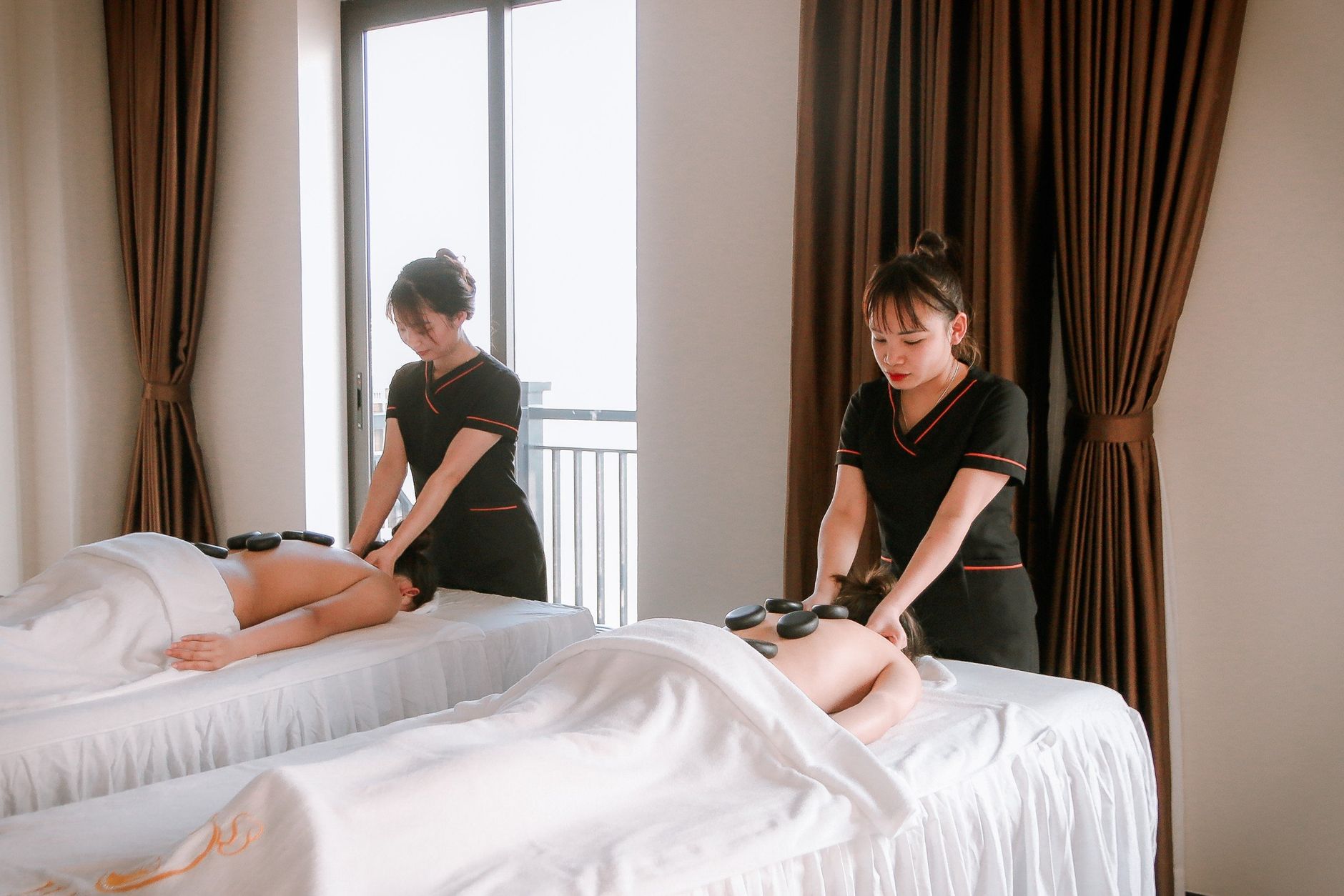
  • Thailand’s Big Wellness Conference Points to One Habit You Can Start Today

    Thailand’s Big Wellness Conference Points to One Habit You Can Start Today

    What Was Reported

    A new event called Being Thailand is set to bring together spa, wellness, and healthcare, according to reporting by spabusiness.com. From the headline alone, the signal is clear: these three worlds are being pulled onto the same stage on purpose.

    The details of the program weren’t available to me, so I won’t pretend to know the full agenda. But the framing itself matters. Spa used to sit in the “treat yourself” corner. Healthcare sat in the “something is wrong” corner. Wellness floated somewhere in between. This conference suggests those lines are blurring fast.

    Here’s the real reason that shift is happening: people are tired of waiting until they’re sick to take care of themselves. And the industry is finally catching up to that.

    The Manifested Fit Take

    You don’t need a plane ticket to Thailand to use this. The big idea behind an event like this is prevention. Small, steady care for your body and mind before anything breaks down.

    That’s the whole game. Not a dramatic overhaul. Not a $400 spa day. Just the quiet decision to treat your daily maintenance as real health, not a luxury.

    Most people flip it backwards. They grind until they crash, then throw money at recovery. A massage after burnout. Meditation after the panic. A detox after months of running on fumes. It works, sort of. But it’s expensive and exhausting to always be repairing.

    The people who feel steady do the opposite. They build tiny recovery into normal days. That’s what this convergence of spa, wellness, and healthcare is really pointing at.

    Care is cheaper and easier when it happens before the breakdown, not after.

    Why This Matters For Regular People

    You already know how to rest. You just save it for emergencies. The mindset shift here is treating your body like a system you maintain, not a machine you run into the ground.

    When you decide, ahead of time, that your calm and your energy are worth protecting, you start acting differently. You book the walk. You close the laptop. You go to bed. That’s manifestation with no mysticism attached: you name what you want, then you take the boring action that makes it real.

    One Thing To Do Today

    Pick one “spa moment” and make it free and repeatable. Not fancy. Just intentional.

    • Five minutes of warm water. Wash your hands or face slowly and pay attention. Sounds small. It resets your nervous system fast.
    • One stretch break. Stand up, roll your shoulders back, breathe out long. Do it once mid-afternoon, every day.
    • A two-minute wind-down. Before bed, put your phone in another room and sit in the quiet. That’s it.

    Choose one. Do it today. Do it again tomorrow. You’re building the same principle a wellness conference spends three days discussing, just at your kitchen sink.

    The Bigger Point

    Events like Being Thailand are a sign that the industry sees where things are headed. Prevention over repair. Everyday care over occasional rescue. That’s good news, because it means the smartest thing you can do is also the simplest.

    You don’t have to wait for the trend to reach you. You can start acting like your own wellness matters right now.

    If you want a simple structure to build these habits, our free 7-Day Mind-Body Reset at manifestedfit.com walks you through one small action a day. No equipment, no crash, no drama. Just steady care that stacks up.

    Here’s the real reason this all works: your body responds to consistency, not intensity. Give it small, kind maintenance daily, and it stops needing rescue. Start with one thing today.

    Originally reported by spabusiness.com: “Wellness conference Being Thailand will tackle spa, wellness and healthcare”. The summary and takeaways above are our own.
  • Nike Just Put Mental Wellness in a Youth Baseball Series. Here’s Why That Matters

    Nike Just Put Mental Wellness in a Youth Baseball Series. Here’s Why That Matters

    What Was Reported

    According to a listing on MLB.com, Nike is running a mental wellness activation as part of the RBI World Series in August 2026. RBI stands for Reviving Baseball in Inner Cities, a youth program that gives kids access to the game. The details of the activation weren’t available to me, so I’m keeping this modest.

    Here’s what the headline tells us: a major brand and a major league are putting mental wellness in front of young athletes, right at the moment they’re competing on a big stage. Not as an afterthought. As part of the event itself.

    That’s a shift worth noticing. For a long time, sports treated the mind like a private problem you dealt with alone. This says something different. It says how you handle pressure is part of the game, not separate from it.

    Here’s the Real Reason This Matters

    Big pressure moments don’t reward talent. They reward the people who stay calm enough to use their talent.

    You’ve seen it. The player with a great swing who freezes in the ninth inning. The kid who nails every practice rep and then falls apart when it counts. That gap isn’t about ability. It’s about what the mind does under stress.

    When your body floods with adrenaline, your vision narrows, your breathing goes shallow, and your thinking gets loud and scattered. That happens to a 12-year-old at a championship. It also happens to you before a job interview, a hard conversation, or a workout you’re dreading.

    Nobody rises to the occasion. You fall to the level of your preparation. And now your preparation can include your mind.

    Teaching young athletes to manage that early is smart. It means they learn the skill before they need it, instead of scrambling for it mid-crisis. The rest of us can borrow the exact same idea.

    What This Means for Everyday People

    You don’t need a stadium or a sponsor to train your mind for pressure. You need a simple routine you practice when the stakes are low, so it’s automatic when they’re high.

    This is where manifestation and mindset stop being fuzzy and start being useful. When you rehearse a calm, focused version of yourself ahead of time, you’re not chanting a wish. You’re building a pattern your brain can find later. That’s the whole point. You practice the state you want so you can return to it on demand.

    One Thing You Can Do Today

    Pick one moment coming up this week that makes you nervous. A meeting. A first gym session. A phone call you keep avoiding.

    1. Name the moment. Say exactly what it is and when it happens. Vague nerves get worse. Specific ones get manageable.
    2. Breathe first. Before you walk in, take four slow breaths. Longer exhale than inhale. This tells your body the threat is handled.
    3. Rehearse the calm version. Close your eyes for 30 seconds and picture yourself steady, clear, and unrushed in that moment. See it once. That’s the rep.
    4. Give yourself one line. Something plain like

      Originally reported by MLB.com: “Nike RBI World Series Mental Wellness Activation | 08/12/2026”. The summary and takeaways above are our own.
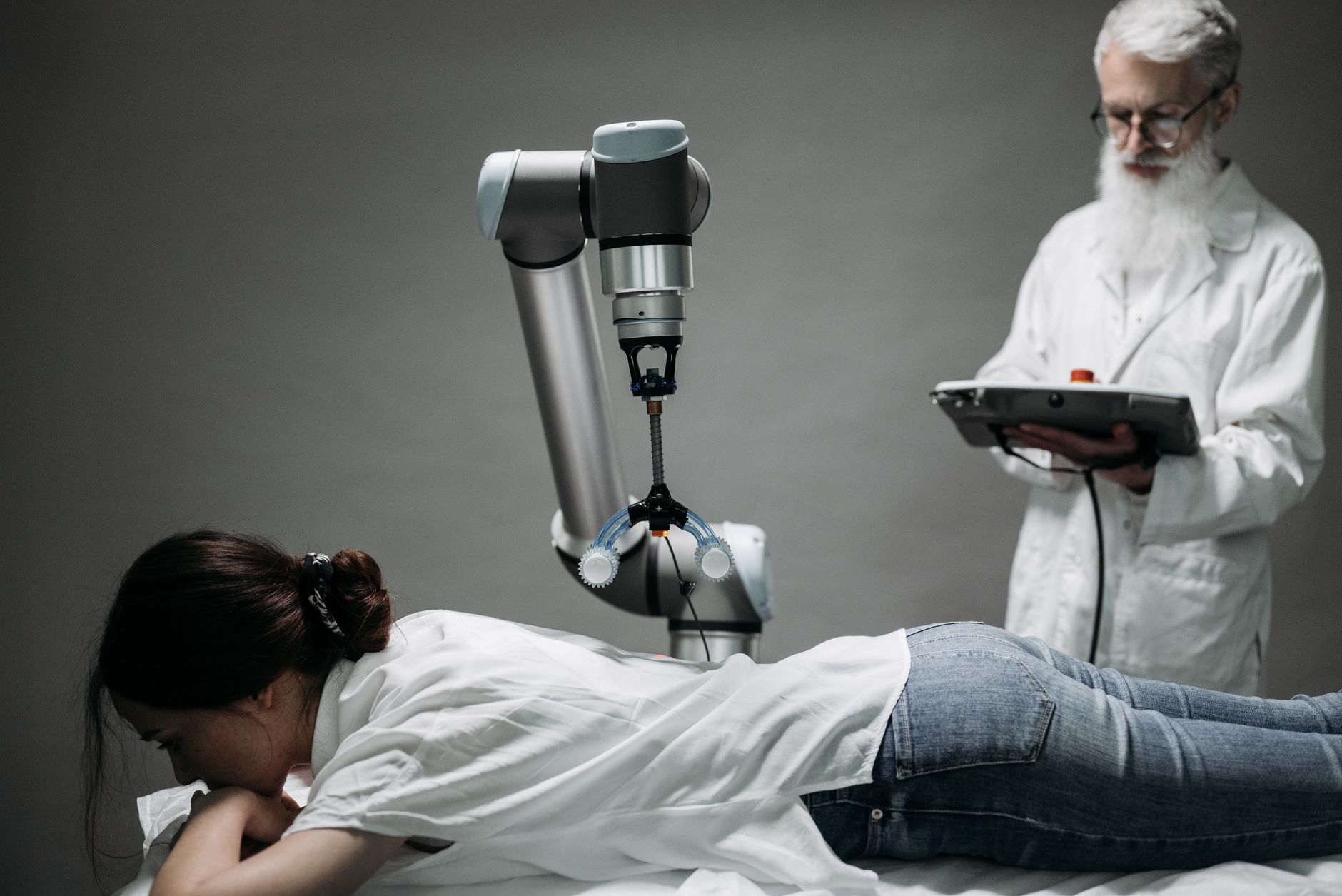
  • AI Is Reshaping Healthcare — But Your Daily Wellness Still Starts With You

    AI Is Reshaping Healthcare — But Your Daily Wellness Still Starts With You

    The night the app knew before I did

    A few winters ago, my smartwatch buzzed on my wrist at 2 a.m. and told me my resting heart rate had been climbing for three nights straight. I brushed it off. But two days later, when a cold flattened me completely, I remembered that little buzz and thought, huh. It saw something before I felt it.

    I share that because I think a lot of us are having a quiet, complicated relationship with the technology watching over our health right now. It’s helpful. It’s a little unsettling. And it’s clearly not going anywhere.

    What the report suggests

    A new report from Technology Org, titled From Diagnosis to Wellness, AI’s Healthcare Revolution, points to how artificial intelligence is moving deeper into the world of medicine — from the moment of diagnosis all the way through to everyday wellness support.

    While I can’t speak to every detail of what they covered, the direction feels familiar to anyone who has used a health app lately. The suggestion is that AI tools may help spot patterns earlier, support the people caring for us, and gently nudge us toward healthier routines in daily life.

    It’s a hopeful headline. And I think hope is the right response — as long as we hold onto something too.

    The Manifested Fit take

    Here’s what I keep coming back to: technology can notice things about your body. But it cannot feel your life for you. It can flag a rising heart rate, but it can’t decide to go to bed earlier. It can suggest you move more, but it can’t lace up your shoes.

    You are not being replaced in your own wellness story. You’re being supported in it. That’s a beautiful distinction, and I don’t want any of us to lose sight of it in the noise about robots and algorithms.

    The tools can point the way. You still get to take the step.

    I also want to gently name something, because I’ve felt it myself: all this data can make us anxious. Numbers, scores, sleep percentages, readiness ratings. If you’ve ever spiraled over a bad sleep score before your feet even hit the floor, you are not alone in this. Information is only a gift if it makes you kinder to yourself, not harder on yourself.

    One thing you can do today

    Pick a single piece of data your body or your devices are already giving you — your sleep, your steps, your breath, your energy at 3 p.m. — and instead of judging it, get curious about it. Ask: what is this trying to tell me? What is one small, gentle thing I could adjust?

    • If it’s sleep: move your bedtime fifteen minutes earlier tonight. Just fifteen.
    • If it’s stress: take three slow breaths before you check your phone in the morning.
    • If it’s movement: take one short walk, not because a number told you to, but because you deserve the fresh air.

    Notice the shift from being monitored to being curious. That’s where the power comes back to you.

    Let technology inform you, not run you

    The future the report hints at is genuinely exciting. Earlier answers, better care, more support — these are good things, and I welcome them. But the heart of wellness has never lived inside a device. It lives in the ordinary, repeatable choices you make when no one, and nothing, is watching.

    If you’d like a soft place to practice reconnecting with those choices, I’d love for you to try our free 7-Day Mind-Body Reset at manifestedfit.com. It’s a week of gentle prompts to help you tune back into yourself — no gadgets required, just you showing up.

    Let the machines get smarter. Let’s just make sure we stay tender with ourselves along the way. You’ve got this, and you’re not doing it alone.

    Originally reported by Technology Org: “From Diagnosis to Wellness, AI’s Healthcare Revolution”. The summary and takeaways above are our own.
  • Cold Plunges and Saunas: What Contrast Therapy Really Offers You

    Cold Plunges and Saunas: What Contrast Therapy Really Offers You

    The morning I stood shivering in my own bathroom

    A few winters ago, I ended a warm shower with thirty seconds of cold water. Just thirty seconds. I remember gripping the edge of the tub, laughing at myself, breathing in these sharp little gasps. And then, oddly, I felt awake in a way coffee had never given me. Clear. A little proud. My shoulders had been holding tension for days, and somehow the shock of it loosened something I didn’t know was clenched.

    I thought about that small moment when I came across a recent piece on contrast therapy. Maybe you’ve seen the same headlines about ice baths and steamy sauna rooms making the rounds. If part of you is curious and another part is thinking that is absolutely not for me, you are not alone in this. I felt both things at once, too.

    What the report suggested

    As reported by Metro.Style, a new piece explored contrast therapy, the practice of moving between cold plunges and heated sauna rooms as a way to support the body’s recovery. The idea, as I understand it, is that alternating between hot and cold may help you feel refreshed and ease some of the everyday tension that builds up in tired muscles.

    I want to be gentle and honest here: I’m reading from the headline and the broad idea, not making promises about outcomes. What draws me in isn’t a claim of miracles. It’s the simpler thread underneath it, that intentionally shifting how our bodies feel can be a form of care.

    The Manifested Fit take

    Here’s what I keep coming back to. So much of wellness gets sold to us as an expensive destination, a spa with cedar walls and a plunge pool the temperature of a mountain stream. And if that’s accessible and joyful for you, wonderful. But most of us are living regular lives with regular bathrooms and regular budgets.

    The real gift of contrast therapy, for everyday people, might be the reminder tucked inside it: your body responds to attention. When you deliberately introduce a sensation, warm then cool, you are practicing being present. You are telling your nervous system, I’m here, I’m listening. That’s not a fancy ritual. That’s just showing up for yourself.

    You don’t need a cold plunge to begin. You need thirty seconds of willingness and a little kindness toward whatever your body is carrying today.

    One small thing you can try today

    If you’re curious and healthy enough to experiment gently, try a soft version of contrast at the end of your next shower:

    • Finish your normal warm shower feeling relaxed and easy.
    • Turn the water cooler, not shockingly cold, for ten to twenty seconds.
    • Breathe slowly and steadily. Let the exhale be longer than the inhale.
    • Return to warm if you’d like, and notice how you feel afterward.

    That’s it. No plunge pool required. If cold isn’t right for you, the same lesson lives in a warm bath followed by a few deep breaths in cooler air. The point isn’t the temperature. It’s the moment you spend paying loving attention to the body that carries you everywhere.

    Please listen to yourself. If something feels off, stop. This is meant to feel like care, not punishment.

    If you want a gentle place to start

    If reading this stirred up a quiet maybe I could take better care of myself, I’d love for you to try our free 7-Day Mind-Body Reset at manifestedfit.com. It’s a soft, week-long invitation to reconnect with your body through small daily practices, no ice baths necessary.

    You don’t have to overhaul your life this week. You just have to be willing to say hello to yourself again. Thirty seconds at a time is more than enough.

    Originally reported by Metro.Style: “Contrast Therapy: How Cold Plunges and Sauna Rooms Help Your Body Recover”. The summary and takeaways above are our own.
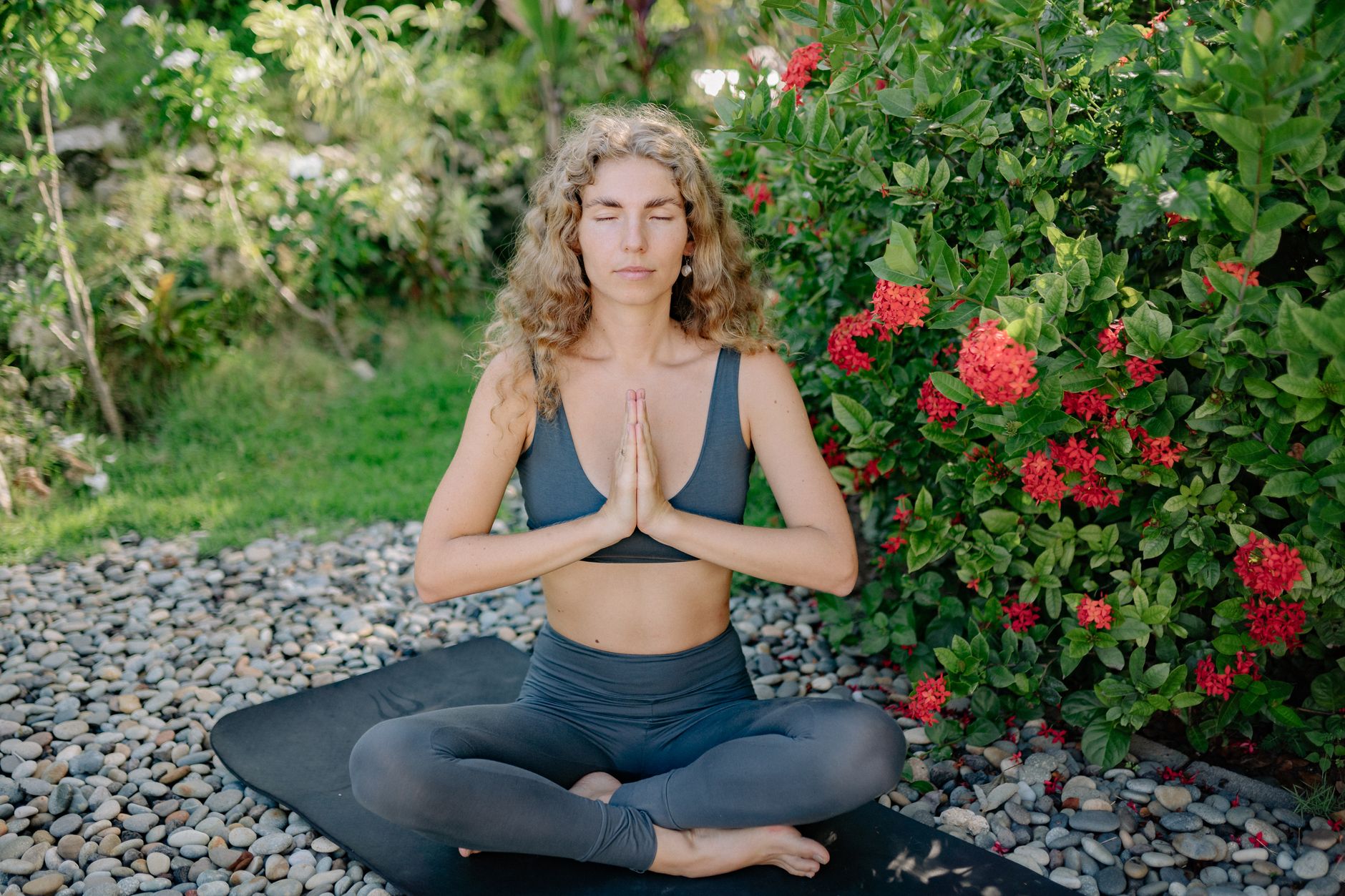
  • Why a Slow Train Trip Beats a Meditation App for Mindfulness

    Why a Slow Train Trip Beats a Meditation App for Mindfulness

    What The Guardian Reported

    The Guardian ran a travel piece linking mindfulness with a rail adventure through Royston and King’s Lynn, taking in some medieval history along the way. The framing was simple: slow travel, old places, and a calmer head.

    I couldn’t pull the full article, so I’ll keep this honest. The report suggests that a leisurely train journey and a bit of history can be good for the mind. That’s the angle. No grand claims, just the idea that going somewhere slowly, on purpose, does something for you.

    And here’s the thing. It does. That’s not fluff. There’s a real reason a train trip settles your brain, and it has nothing to do with the destination.

    The Real Reason Slow Travel Calms You Down

    Most people think mindfulness means sitting still and emptying your mind. Then they try it, fail in ninety seconds, and decide they’re bad at it.

    A train fixes that. You’re moving, but you don’t have to do anything. No steering. No decisions. The landscape scrolls past and your attention has something soft to land on. That’s the trick. Your mind calms down fastest when it has a gentle job, not when you order it to go blank.

    Old towns like Royston and King’s Lynn add another layer. Walking through a place that’s been standing for centuries pulls you out of your own head. Your problems shrink a little next to a building that’s outlasted a dozen generations of people with the exact same worries you have.

    You don’t need silence to be present. You need something worth noticing.

    What This Means For Everyday People

    You don’t have to book a rail holiday to get the benefit. The mechanism is portable. It’s this: choose motion with no pressure, and give your attention one simple thing to rest on.

    That’s why walks help. That’s why the drive home sometimes feels better than the destination. That’s why staring out a window works when a meditation app doesn’t. The point isn’t the medieval architecture. It’s the permission to move slowly and look at something.

    One Thing You Can Do Today

    Take a twenty-minute walk with no phone in your hand and no goal. Pick one category to notice the whole way: doors, trees, brickwork, anything old. Every time your mind wanders back to your to-do list, just return to the thing you’re noticing. That’s it. That’s the whole practice.

    • No destination. The walk is the point, not getting somewhere.
    • One anchor. Give your attention a single job so it stops racing.
    • Slow on purpose. Half your usual pace. Let it feel almost too easy.

    You’ll come back with a clearer head than any ten-minute breathing app would give you, because you worked with how your brain actually settles instead of fighting it.

    The Bigger Pattern

    This is the same principle behind why manifestation and mindset work when you keep them physical. A calm, present mind isn’t something you force into place. It’s a byproduct of the right kind of motion. Move gently, notice deliberately, and the mental noise drops on its own.

    If you want a structured version of this, our free 7-Day Mind-Body Reset at manifestedfit.com walks you through small daily practices that pair light movement with attention, no train ticket required.

    You don’t need a medieval town or a perfect meditation posture. You need a slow trip and one thing to look at. Start with a walk this afternoon.

    Originally reported by The Guardian: “Mindfulness and medieval wonders: a rail adventure to Royston and King’s Lynn”. The summary and takeaways above are our own.
  • Why a Stalled Jamesport Wellness Retreat Won’t Slow Your Reset

    Why a Stalled Jamesport Wellness Retreat Won’t Slow Your Reset

    The headline, in plain terms

    According to a report from riverheadnewsreview.timesreview.com, a proposed country inn and wellness retreat in Jamesport is running into zoning hurdles. The full article wasn’t available to me, so I’ll keep this simple and honest about what I know.

    Here’s the gist: someone wants to build a place where people can slow down, rest, and reset. Local rules about what can be built and where are apparently getting in the way. That’s a common story. Retreat projects often look great on paper and then meet the reality of permits, neighbors, and paperwork.

    The report suggests the plan isn’t dead, just delayed. Zoning is a process, not a verdict. But delayed is delayed. And if you were quietly hoping a place like this would open so you could finally book that reset weekend, this is a small letdown.

    Here’s the real reason it stings

    We tie our rest to a location. A retreat. A cabin. A studio with the perfect lighting. We tell ourselves calm lives somewhere else, and we just have to get there.

    That belief is comfortable because it lets us off the hook today. If the reset requires a special place, then not resetting isn’t our fault. It’s the zoning board’s fault. It’s the budget’s fault. It’s the calendar’s fault.

    But your nervous system doesn’t check the address. It responds to how you breathe, how you move, and what you repeat to yourself. Those tools travel with you. No permit required.

    A retreat is a great accelerator. It is not a prerequisite. The change happens in your habits, not in the parking lot of a country inn.

    What this means for everyday people

    Most of us will never book a multi-day wellness retreat. Not this year, maybe not ever. Time, money, and life get in the way. If your plan for feeling better depends on a facility that might open someday, your plan is fragile.

    The people who actually feel calmer and stronger aren’t the ones with the best venues. They’re the ones with the smallest, most repeatable routines. Five minutes here. A short walk there. A quiet moment before the day gets loud.

    That’s the whole game. Consistency beats setting. Every time.

    One thing to do today

    Build a five-minute retreat that fits your actual life. Here’s the version I’d start with:

    1. Pick a spot. A chair, a corner, your car in the driveway. It just needs to be yours for five minutes.
    2. Breathe on purpose. Inhale for four counts, exhale for six. Do it ten times. The longer exhale is what signals your body to settle.
    3. Move gently. Roll your shoulders, stretch your neck, unclench your jaw. Nothing athletic. Just enough to remind your body it’s allowed to loosen.
    4. Set one line. Say what you want the next hour to feel like.

      Originally reported by riverheadnewsreview.timesreview.com: “Jamesport country inn, wellness retreat proposal hits zoning hurdles”. The summary and takeaways above are our own.

  • VIV Wellness Dallas Opens: What a Physician-Led Clinic Means for You

    VIV Wellness Dallas Opens: What a Physician-Led Clinic Means for You

    Dallas Just Got a Little More Glow

    Here’s a headline that made me tilt my head like a curious golden retriever: as reported by Modern Luxury, Dallas has welcomed VIV Wellness, a new physician-led beauty and wellness clinic. The name alone sounds like a spa where the towels are warm and someone hands you a cucumber water the second you walk in.

    Since the full details weren’t available to me, I’m keeping my claims modest here. But the gist seems clear enough: a new report suggests VIV Wellness is positioning itself as a place where beauty and wellness meet, with medical professionals steering the ship. In a world of DIY trend chasing, that’s a notable pivot — folks apparently want expertise, not just vibes-based guessing.

    And honestly? I respect a good vibe and a good plan. The two are not enemies. They’re more like peanut butter and jelly — better together, slightly chaotic apart.

    The Manifested Fit Take

    Not everyone can stroll into a shiny Dallas clinic, and that’s okay. What a story like this really signals is a bigger, friendlier trend: people are treating their wellness like it deserves intention, not leftovers. The idea of “physician-led” is basically code for “someone who actually knows the map is helping you navigate” — and while I’m no physician (I’m a columnist with strong opinions about morning light and hydration), I love that mindset.

    Here’s the part I get genuinely giddy about: you don’t need a marble lobby to borrow the spirit of it. The magic of a wellness clinic isn’t only the fancy treatments — it’s the structure. It’s someone saying, “Let’s make a plan and check in.” You can absolutely give that gift to yourself, for the price of exactly zero dollars.

    Wellness isn’t a destination with valet parking. It’s a series of tiny, unglamorous choices you keep making until they feel like home.

    One Thing You Can Do Today

    Do a two-minute “self check-in.” Think of it as being your own front-desk concierge. Grab your phone or a scrap of paper and answer three quick questions:

    • Body: Where am I holding tension right now? (Shoulders up by your ears? Let ’em drop. Instant free treatment.)
    • Mind: What’s one thing quietly stressing me that I keep ignoring?
    • Momentum: What is one small action I can take in the next hour to feel 5% better?

    That’s it. Physician-led clinics run on assessments; you just ran your own, no appointment required. Bonus points if you follow it with a glass of water and a big dramatic exhale like you’re in a skincare commercial.

    Why the Small Stuff Wins

    The reason I harp on tiny actions is because they’re the ones that actually stick. Grand overhauls are exciting for about 36 hours, then life throws a Tuesday at you. But a two-minute check-in? A five-minute stretch? A single glass of water before your third coffee? Those are so easy they’re almost sneaky. And sneaky-easy habits are the ones that quietly rebuild you.

    If you want a gentle framework to string these little wins together, my genuinely favorite starting point is the free 7-Day Mind-Body Reset over at manifestedfit.com. It’s a week of small, doable nudges for your body and your mindset — no marble lobby, no membership fee, just a friendly plan you can actually follow in real life.

    So here’s my toast to VIV Wellness Dallas, and to everyone reading this in yoga pants they haven’t done yoga in: expertise is wonderful, and so is the version of care you can give yourself right now. Drop those shoulders, sip that water, and go have a suspiciously good day.

    Originally reported by Modern Luxury: “VIV Wellness Dallas: Physician-Led Beauty & Wellness Clinic”. The summary and takeaways above are our own.