Author: Nadia Brooks

  • The Bedside Brain Dump That Takes Less Than Five Minutes

    The Bedside Brain Dump That Takes Less Than Five Minutes

    Last Tuesday I turned off my lamp at ten and was still awake at midnight. Not because anything was wrong, exactly. It was the small things: a birthday I almost forgot, an email I never sent, the vague worry that I’d left the porch light on. My body was tired. My mind was doing inventory. And the harder I tried to stop it, the louder the list got.

    Maybe you know that feeling too. That moment where your head hits the pillow and suddenly your brain decides it’s the perfect time to replay everything. You are not alone in this. For a long time I thought the answer was to think harder until the list resolved itself. It never did. What finally helped was giving those thoughts somewhere to go that wasn’t my head.

    I call it a bedside brain dump, and it takes less than five minutes. Not journaling in the beautiful, pages-long sense. Just a quick emptying. A way of telling your mind, gently, I’ve got it written down now, you can stop holding it.

    Why a busy mind won’t let go

    Your brain is loyal. When there’s something unfinished, it keeps circling back to remind you, over and over, because it’s afraid you’ll forget. That’s kind of sweet, honestly. But at 11pm it’s exhausting. The trick isn’t to argue with those reminders. It’s to reassure your mind that the thought is safe somewhere else, so it can finally rest its grip.

    All you need is a notebook and a pen on your nightstand. No app, no screen, no glowing light to wake you up further. Just paper. Here are the four short headings I write, in the same order, every night.

    The four headings

    1. Remember

    Start with the things you’re afraid to forget. The dentist appointment, the friend you meant to text back, the item you’re out of. Don’t organize them. Just scribble them down as fast as they arrive. This is the list your brain has been guarding all evening, and once it’s on paper, you can almost feel your shoulders drop.

    2. Worry

    Next, name what’s weighing on you. Not to solve it, just to say it. Maybe it’s money feels tight or I’m nervous about that conversation. Write it plainly. There’s something disarming about seeing a worry sit quietly on a page instead of swirling in the dark. It often looks smaller there than it felt in your chest.

    3. Tomorrow

    Now, jot down the two or three things that genuinely matter for the next day. Not everything. Just the ones that would make tomorrow feel handled. This is you handing off the planning to your morning self so your nighttime self doesn’t have to keep rehearsing it.

    4. Release

    The last heading is my favorite, and it holds no list at all. Under Release, write one sentence about what you’re letting go of for the night. It might be I’m done being productive today or this can wait until morning. Then close the notebook. That closing is part of the ritual. A soft, physical way of saying: not now.

    Making it stick

    If five minutes feels like a lot on a tired night, know that even two headings help. Some evenings I only manage Remember and Release, and that’s enough. The point isn’t to do it perfectly. The point is to give your mind a trustworthy place to put things down.

    • Keep the notebook and pen where you can reach them without getting up.
    • Use bullet points, not sentences. Speed matters more than beauty here.
    • Don’t reread old entries at bedtime. This is a release, not a review.
    • If nothing comes to mind under a heading, leave it blank and move on.

    The goal is not an empty life. It’s an emptied mind, just for the night.

    What surprised me most was how quickly it became something I look forward to. There’s a quiet dignity in closing the day on purpose instead of letting it trail off into scrolling and half-thoughts. It’s a small kindness you offer yourself.

    If you’d like a gentle framework to build a few more of these calming habits, the free 7-Day Mind-Body Reset is a soft place to start, with one small practice each day.

    Tonight, before you turn off the light, try it. Four headings. Five minutes. Let the page hold what your mind has been carrying, and see if sleep meets you a little sooner. You deserve to lay it down.

  • Why Tech Reshaping Wellness in 2026 Doesn’t Have to Overwhelm You

    Why Tech Reshaping Wellness in 2026 Doesn’t Have to Overwhelm You

    Last week I caught myself standing in my kitchen at 7am, staring at three glowing screens at once. My phone buzzing with a hydration reminder. My watch nudging me to stand. A little ring on my finger quietly grading how badly I’d slept. And in that moment, instead of feeling supported, I felt oddly scolded — like my own body had hired a team of tiny managers who were all a little disappointed in me.

    Maybe you know that feeling too. And if you do, I want you to know: you are not alone in this.

    What the report suggests

    According to a piece by Redland Bayside News on how technology is reshaping health and wellness in 2026, a new wave of tools is changing the way everyday people approach their wellbeing. The reporting points to a year where wearables, smarter apps, and more personalized digital guidance are becoming a normal part of daily routines rather than a novelty.

    The broad picture, as reported, is one of convenience and connection — health information that used to feel far away is now sitting right on our wrists and in our pockets. That’s genuinely exciting. It means more people than ever have a gentle window into how they’re really doing.

    But I think it’s worth pausing on the quieter side of that story, too. Because more data isn’t automatically more peace.

    The Manifested Fit take

    Here’s what I keep coming back to. Technology can be a beautiful mirror. It can show you patterns you’d never have noticed — that you sleep better on the nights you walk after dinner, or that your stress climbs on the days you skip breakfast. That’s a gift.

    The trouble starts when the mirror becomes a judge. When every stat feels like a grade. When a

    Originally reported by Redland Bayside News: “How Technology Is Reshaping Health and Wellness in 2026”. The summary and takeaways above are our own.

  • MICHELIN Named the Best Wellness Hotels for 2026 — Here’s the Free Version

    MICHELIN Named the Best Wellness Hotels for 2026 — Here’s the Free Version

    The screenshot I keep going back to

    Last week I found myself doing something a little embarrassing. It was 9pm, dishes still in the sink, and I was on my phone zooming into a photo of an infinity pool that seemed to melt into a misty green mountain. I saved it. Then I saved another one — a stone soaking tub, a folded white robe, a single sprig of eucalyptus on a tray. I sat there in my old sweatshirt feeling this strange ache, like I was homesick for a place I’ve never been.

    Maybe you’ve done this too. Scrolled through impossibly serene rooms and thought, if I could just get there, I would finally feel rested. You are not alone in that longing. But I want to gently sit with what it’s actually telling us.

    What the report says

    A new feature from the MICHELIN Guide highlights what it considers the best wellness hotels in the world for 2026 — the kind of destinations built entirely around slowing down, restoring, and reconnecting with your body. As reported by MICHELIN Guide, these are places where rest isn’t an afterthought squeezed between meetings; it’s the whole point of being there.

    I can’t share every detail because I’m writing from the headline alone, so I’ll keep this modest. But the theme is clear enough: in 2026, wellness travel is being treated as something worth planning a whole trip around. Rest is becoming a destination.

    The Manifested Fit take

    Here’s what struck me. What we’re really craving when we save those photos isn’t marble bathrooms. It’s permission. Permission to stop. Permission to be somewhere that expects nothing from us. A beautiful hotel gives you that permission by removing you from the pile of laundry and the ping of notifications.

    The tender truth is this: you can give yourself that same permission at home. It won’t look like an infinity pool. But the feeling — the exhale, the sense of being cared for — that part is available to you tonight, for free.

    The luxury isn’t the location. The luxury is being allowed to rest without earning it first.

    So much of our exhaustion comes from believing rest has to be deserved, scheduled, or purchased. Those hotels are beautiful, and I hope you go someday if you want to. But please don’t wait until you can afford the plane ticket to feel peace in your own body.

    One small thing you can do today

    Create what I call a five-minute arrival. Hotels are calming partly because arriving there is a ritual — you set down your bags, you notice the details, you shift into a slower version of yourself. Recreate that at home:

    • Pick one corner of your home. A chair, the end of your bed, a spot by the window.
    • Take three slow breaths and silently tell yourself, “I’ve arrived. There’s nothing to fix right now.”
    • Add one sensory detail — a warm drink, a lit candle, a folded soft blanket. Just one.
    • Sit for five minutes. Not to accomplish anything. Just to be somewhere gentle.

    That’s it. You’ve checked yourself into rest, no reservation required.

    A gentle next step

    If tonight’s five minutes feels good and you want to keep going, our free 7-Day Mind-Body Reset at manifestedfit.com walks you through a week of small, doable moments like this — breath, gentle movement, and mindset shifts that fit around real life, dishes and all.

    I still have that infinity pool saved on my phone. But these days, when I look at it, I don’t ache the same way. I take a breath, I say my little arrival line, and I remind myself that the calm I’m chasing was never actually in the photo. It was in me the whole time, patiently waiting for me to slow down long enough to notice.

    You’ve got that same calm in you, friend. You really do.

    Originally reported by MICHELIN Guide: “The Best Wellness Hotels in the World for 2026”. The summary and takeaways above are our own.

  • Why the Boom in Single-Serve Wellness Concentrates Might Be Missing the Point

    Why the Boom in Single-Serve Wellness Concentrates Might Be Missing the Point

    The little bottle in my bag

    I found it at the bottom of my tote last week — one of those tiny wellness shots, the kind you snap open and toss back in one gulp. I’d bought a whole box during a stressful stretch, convinced that if I could just drink my way to calm, everything would settle. I remember standing in my kitchen at 7am, downing one before a meeting, telling myself this was self-care.

    It wasn’t a bad thing to do. But it also didn’t fix the fact that I’d slept five hours and hadn’t paused to breathe in days. The little bottle was a bandage on a much bigger question.

    What the report is saying

    As reported by Fact.MR, a new report suggests that the market for single-serve wellness concentrates — think portable shots, powders, and one-dose formulas — is set to grow significantly over the coming decade, with projections looking all the way out to 2036. The takeaway, in my own words, is that more of us are reaching for convenient, grab-and-go products in the name of feeling better.

    I read a headline like that and I feel two things at once. First, I get it — life is busy, and anything that makes caring for yourself feel doable is worth something. Second, I feel a little tug of worry, because convenience can quietly become the whole story. We start believing wellness is something we purchase rather than something we practice.

    The Manifested Fit take

    Here’s what this trend tells me about everyday people, and I think you’ll recognize yourself in it: we are tired, we are stretched thin, and we genuinely want to feel good in our bodies. A market growing this fast isn’t a story about greedy companies — it’s a story about real people looking for relief. That’s tender, not silly.

    But I want to gently offer you this. A concentrate can support you. It cannot replace the slow, unglamorous things that actually change how you feel: rest, movement you enjoy, a mind that isn’t running a marathon at midnight. You are not behind because you haven’t optimized your morning shot routine. You are not failing because a powder didn’t fix your exhaustion.

    Wellness isn’t something you swallow in three seconds. It’s something you return to, imperfectly, again and again.

    So if you’re the person with a shelf full of half-finished wellness products (hi, it’s me too), you’re not alone in this. There’s nothing wrong with wanting the easy button. Just don’t let the easy button convince you that the deeper stuff doesn’t matter.

    One thing you can do today

    Before you reach for your next quick wellness fix, try pairing it with something free and slow. Here’s a tiny ritual:

    • Pause for 60 seconds before you consume anything you’re taking “for wellness.” Just stand still and breathe.
    • Ask one honest question: “What does my body actually need right now?” Sometimes it’s water. Sometimes it’s a nap. Sometimes it really is that shot — and that’s okay.
    • Move gently for two minutes — a stretch, a walk to the window, rolling your shoulders back.

    That pause costs nothing, and it does something no concentrate can: it reconnects you to yourself.

    If you’d like a soft, structured place to start rebuilding that connection, come try our free 7-Day Mind-Body Reset at manifestedfit.com. It’s seven gentle days of small practices — no shopping list required, just you showing up for yourself.

    The market will keep growing. Trends will keep coming. But you, my friend, are allowed to move at your own quiet pace. That was always the real reset.

    Originally reported by Fact.MR: “Single-Serve Wellness Concentrates Market Size 2036”. The summary and takeaways above are our own.

  • Tattva Spa’s Chandigarh Expansion Reminded Me Why Rest Is a Practice

    Tattva Spa’s Chandigarh Expansion Reminded Me Why Rest Is a Practice

    The day I finally sat still

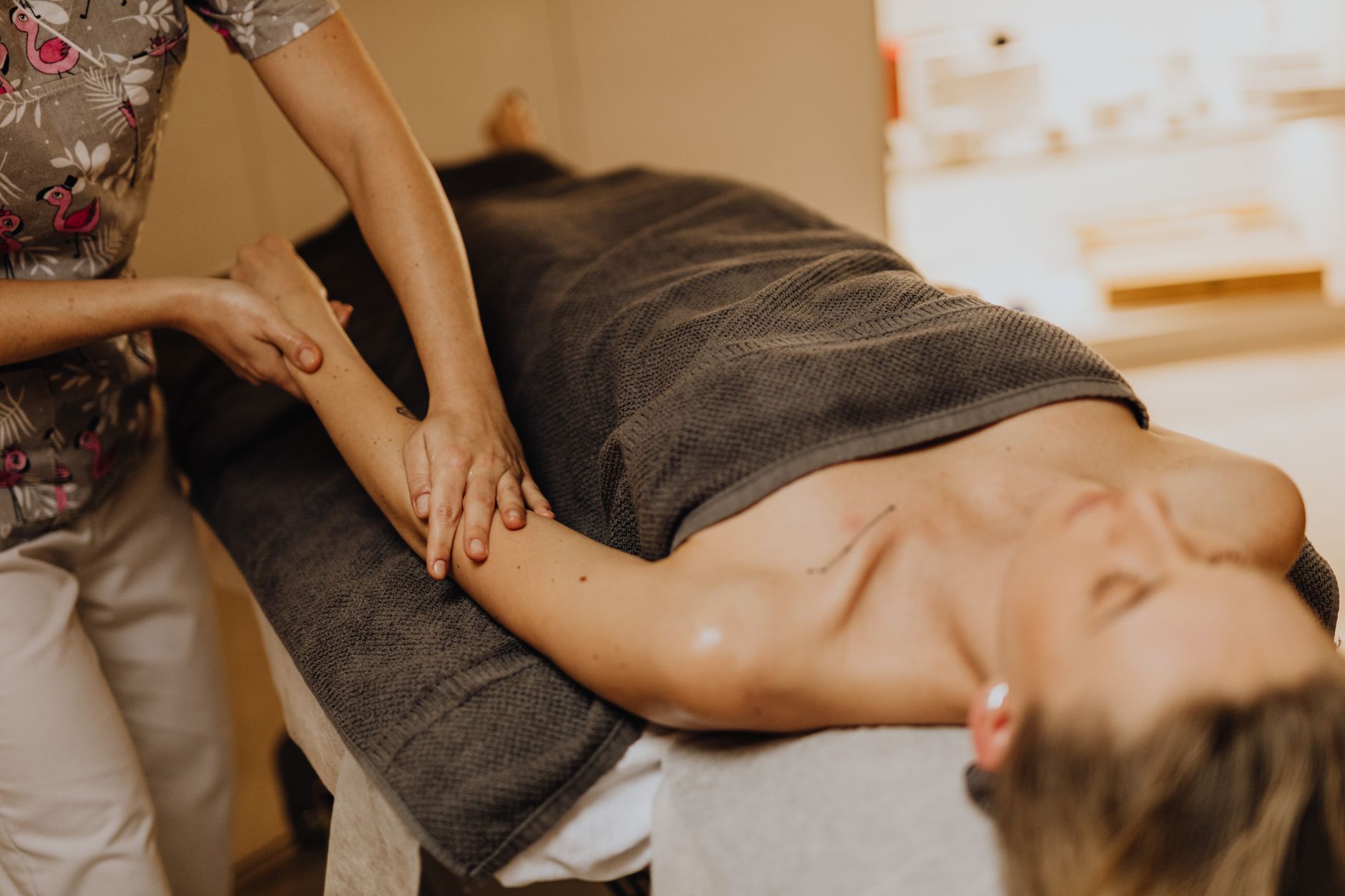
    A few years ago, I booked a spa appointment purely out of guilt. A friend had gifted me a voucher, it was about to expire, and I hate wasting things. So I went, half-annoyed at losing an afternoon I “could have” spent working. But somewhere around the moment a stranger’s hands pressed the knots out of my shoulders, I started to cry. Quietly, embarrassingly. I hadn’t realized how long I’d been holding all of it.

    I tell you that not because everyone needs a spa, but because I know some of you carry that same clenched-jaw exhaustion right now. You are not alone in treating rest as the thing you’ll get to later.

    What was reported

    As reported by The Tribune, Tattva Wellness Spa is expanding into the Chandigarh Tricity area. From the headline alone, a new report suggests the brand is growing its footprint to reach more people looking for spa and wellness experiences in the region.

    I don’t have the full details of the article, so I won’t pretend to. But even a simple business headline like this tells us something quietly hopeful: demand for rest, for touch, for a pause in the day, is real enough that a company is betting on it. People want to feel taken care of. That instinct isn’t indulgent. It’s human.

    The Manifested Fit take

    Here’s what struck me. A spa opening isn’t really news about spas. It’s news about us, about how many of us are searching for permission to slow down. We’ve somehow decided that rest is something you buy, book, or schedule three weeks out. And sometimes that’s lovely. But if the only rest you ever get requires a reservation, your nervous system is going to spend most of its life waiting.

    I want to gently push back on the idea that wellness lives only inside a treatment room. The candle-lit hour is beautiful. But the real shift happens when you start weaving small moments of care into the ordinary Tuesday, the one with no appointment, no voucher, no reason.

    Rest is not a reward for finishing. It’s the thing that lets you keep going.

    What you can do today

    You don’t need a spa to borrow its best idea. The magic of a good treatment is really just three things: intentional touch, permission to do nothing, and a quiet space. You can recreate a smaller version of that at home tonight.

    • Give yourself two minutes of intentional touch. Warm a little lotion between your hands and slowly massage your own neck, shoulders, and jaw. Notice where you’re bracing without realizing it.
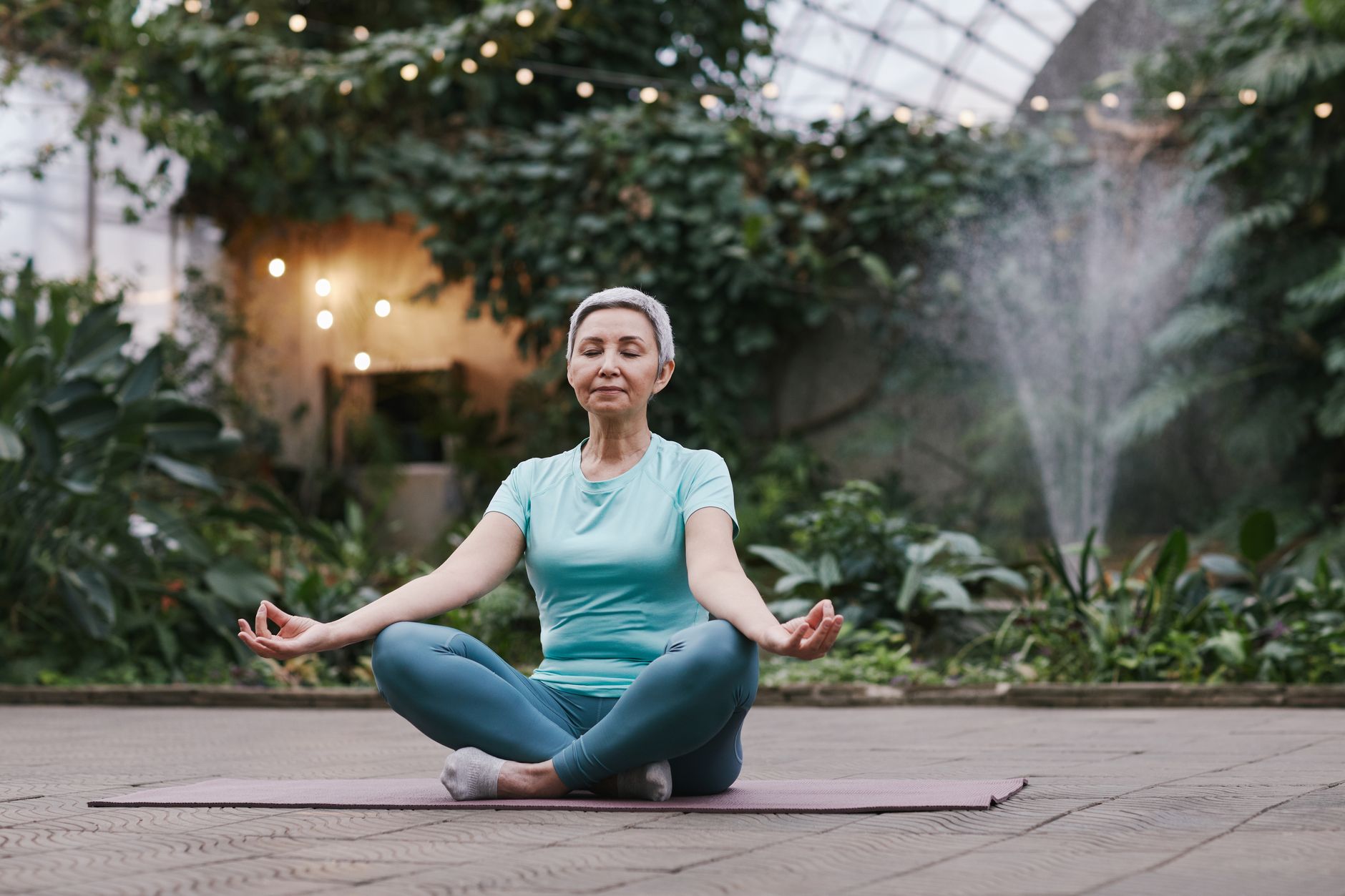
    • Make one “do nothing” pocket. Set a timer for five minutes. No phone, no fixing, no tidying. Just sit and breathe. It will feel strange at first. That strangeness is the point.
    • Claim a small quiet space. Dim one lamp, put your feet up, and let your exhale get longer than your inhale for a few rounds. Your body reads that as safety.

    None of this is a cure for anything, and I’m not here to make health claims. I’m just here, reader to reader, to remind you that caring for yourself doesn’t have to wait for the perfect setting or the right budget.

    A gentle next step

    If reading this stirred something, a small tug that says I’ve been running on empty, let that be your signal. You could start with one quiet breath right now. And if you’d like a soft, structured place to begin, our free 7-Day Mind-Body Reset at manifestedfit.com walks you through tiny daily practices that fold rest and movement into your real life, no reservation required.

    A new spa in Chandigarh is good news. But the better news is this: the deepest kind of rest was always available to you, in your own two hands, on an ordinary day. You just have to give yourself permission to reach for it.

    Originally reported by The Tribune: “Tattva Wellness Spa expands to Chandigarh Tricity”. The summary and takeaways above are our own.

  • A Gentle Lower-Body Stretch for the End of a Long Day

    A Gentle Lower-Body Stretch for the End of a Long Day

    Last Tuesday I got home later than I meant to, kicked off my shoes by the door, and just stood there in the kitchen for a second, one hand on the counter. My calves felt like two tight ropes. My hips felt like they’d forgotten how to be anything but a chair shape. And instead of doing anything about it, I microwaved something and sat down again.

    Maybe you know that exact feeling. The day is finally over, your body is quietly asking for something, and you’re too tired to give it much. So I want to offer you something small and doable. Not a workout. Not a challenge. Just a slow, kind way to say goodnight to your legs.

    Before You Begin

    This is meant to feel good, not to prove anything. Move slowly, breathe normally, and keep every stretch in the range where you feel a gentle pull, never a sharp pain. If something hurts, ease off. Have a sturdy chair nearby so you can sit or hold on whenever you like. And if you have an injury or you’re unsure whether a movement is right for you, please check with a professional who knows your body.

    You are not behind for needing rest. Tending to your body at the end of a hard day is its own quiet kind of self-respect.

    A Slow Lower-Body Wind-Down

    Give yourself about ten minutes. Dim the lights if you can. Let each stretch last a few slow breaths, and repeat on both sides.

    1. Seated Ankle Circles

    Sit tall in your chair. Lift one foot slightly off the floor and draw slow circles with your ankle, five in each direction. Then switch feet. This wakes up ankles that have been locked into shoes all day.

    2. Standing Calf Stretch (Chair-Supported)

    Stand behind your chair and rest your hands on the back for balance. Step one foot back, heel pressing gently toward the floor, back leg straight. You’ll feel a soft stretch through the calf. Hold for a few breaths, then switch.

    • Keep the stretch gentle, easing your heel down only as far as feels comfortable.
    • If balance feels wobbly, widen your stance a little.

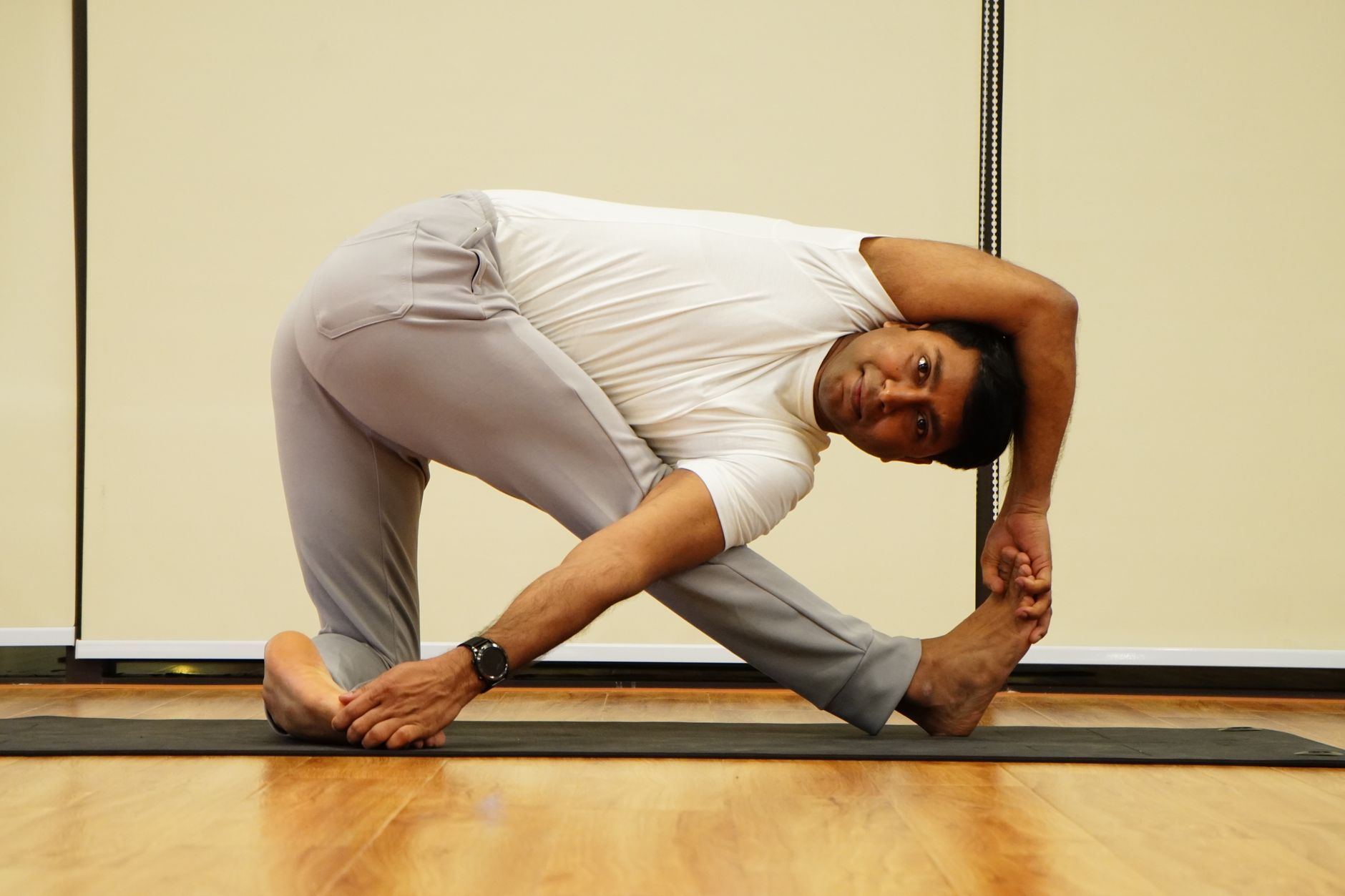
    3. Seated Hamstring Stretch

    Sit toward the front of your chair. Extend one leg forward with your heel on the floor and toes pointing up. Sit tall and hinge slightly forward from your hips until you feel a stretch along the back of the extended leg. Hold, breathe, then switch sides.

    4. Seated Figure-Four for the Hips

    Still seated, cross one ankle over the opposite thigh so your bent knee opens to the side. Sit tall, and if you’d like more, lean forward gently from the hips. This one tends to feel wonderful after a long day of sitting. Hold and switch.

    5. Standing Hip Flexor Stretch (Chair-Supported)

    Hold the chair with one hand. Step one foot forward into a small, comfortable lunge, keeping your back tall. Let your hips settle gently forward until you feel a stretch at the front of the back hip. Keep it light. Hold, then switch legs.

    6. Ankle Rolls and a Final Sway

    Come back to standing or sitting. Rise onto the balls of your feet, then lower slowly, a few times, to reawaken the ankles. Finish by gently swaying side to side, letting your whole lower body feel loose and unhurried.

    Making It a Ritual You Actually Keep

    The trick with end-of-day stretching isn’t discipline. It’s making it so easy you barely have to decide. Leave the chair in a spot you pass every evening. Pair the stretch with something you already do, like right after you brush your teeth, or while the kettle heats up.

    1. Start with just two stretches if ten minutes feels like too much.
    2. Let it be imperfect. Three slow breaths of one stretch still counts.
    3. Notice how your legs feel afterward, and let that feeling be the reward.

    That night in my kitchen, I eventually pulled a chair over and did about half of these. Nothing dramatic happened. But my calves softened, my hips let go a little, and I slept better than I had in days. Small things add up when we keep coming back to them.

    If you’d like a gentle structure to lean on, my free 7-Day Mind-Body Reset weaves easy movement like this together with mindset moments, one small step at a time. It’s a soft place to start.

    Whatever kind of day you’ve had, your body carried you through it. Tonight, you get to thank it slowly. You are not alone in needing that.

  • When Motivation Is Missing, Make the Starting Line Smaller

    When Motivation Is Missing, Make the Starting Line Smaller

    Last Tuesday I stood in my kitchen in yesterday’s socks, staring at my sneakers by the door. I had told myself I would go for a run. A real one. Thirty minutes, the whole loop by the water. And I could feel it before I even moved: that heavy, foggy no rising up in my chest. I didn’t run. I didn’t do anything, really, except feel a little worse about it.

    Maybe you know that feeling. The goal is right there, and you are right here, and the distance between the two suddenly seems enormous. If that’s you today, I want you to hear this first: you are not lazy, and you are not broken. You’re just standing at a starting line that’s too far away.

    Motivation Is Not the Problem

    We’re taught to wait for motivation like it’s weather. When it comes, we move. When it doesn’t, we stall and blame ourselves. But I’ve learned something gentler over the years: motivation usually shows up after we start, not before. The first small movement is what unlocks the rest.

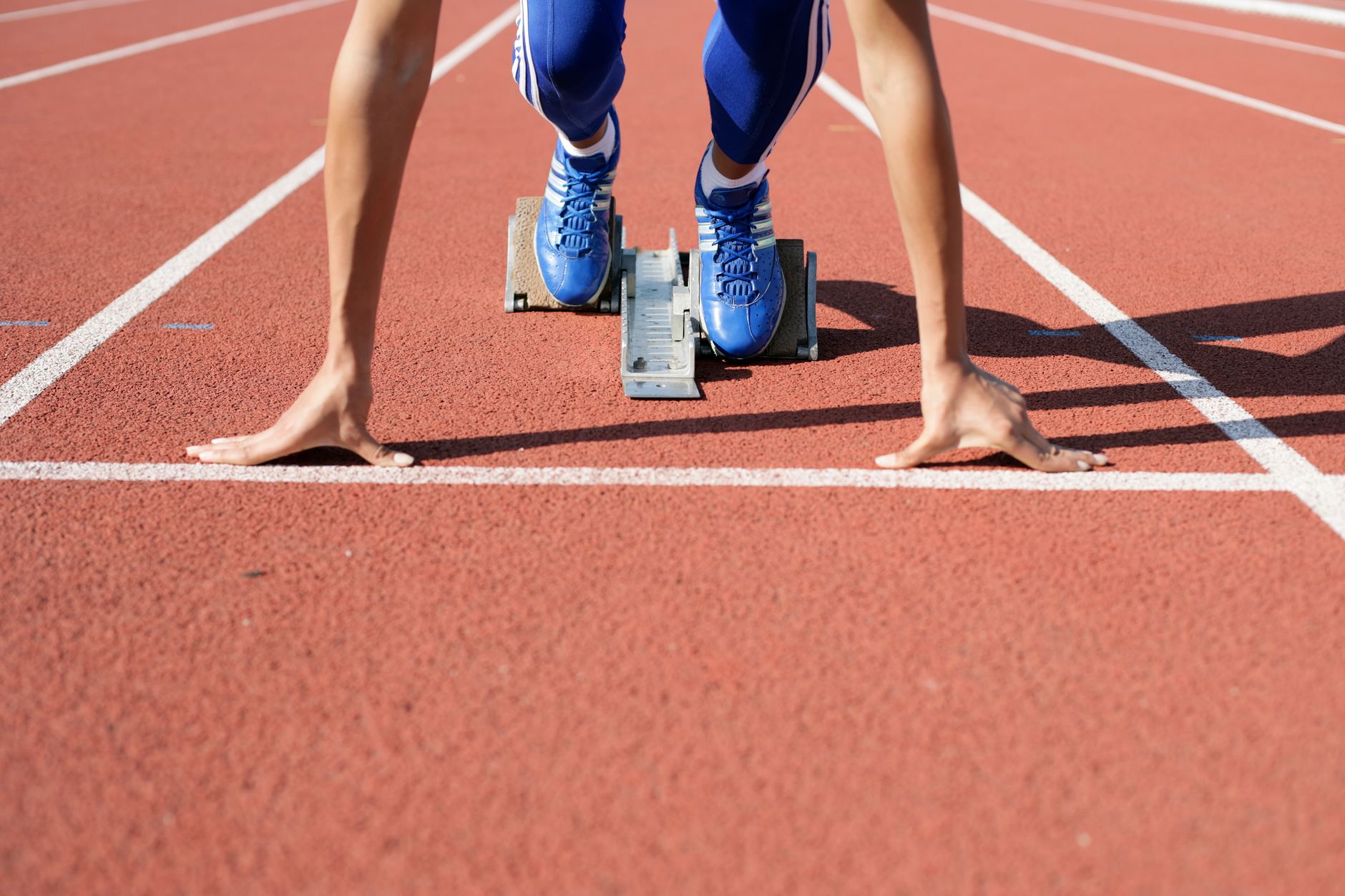
    So on days when the feeling won’t come, we don’t need more willpower. We need a smaller starting line.

    The goal can stay big. The first step has to be tiny.

    What a Smaller Starting Line Actually Looks Like

    Here’s the shift. Instead of asking, “How do I do the whole thing?” ask, “What is the smallest version of this that still counts?” Something so easy it feels almost silly to refuse.

    Let me show you what I mean with some everyday goals and their under-five-minute starting lines:

    • Goal: Go for a 30-minute walk. Starting line: Put on your shoes and step outside your front door. That’s it. You can turn around after.
    • Goal: Do a full workout. Starting line: One song’s worth of stretching, or five squats while the kettle boils.
    • Goal: Drink more water. Starting line: Fill one glass right now and take three sips.
    • Goal: Start journaling. Starting line: Write one sentence about how you feel. Even “I don’t want to write” counts.
    • Goal: Eat more vegetables. Starting line: Put one piece of fruit or one handful of greens on your plate at your next meal.
    • Goal: Meditate daily. Starting line: Close your eyes and take three slow breaths.
    • Goal: Clean the whole house. Starting line: Clear one surface. Just the kitchen counter.

    Notice that none of these ask you to finish. They only ask you to begin.

    How to Find Your Own Tiny First Action

    You don’t need a system for this, just a couple of honest questions. Try this the next time the fog rolls in:

    1. Name the big goal out loud. “I want to move my body today.”
    2. Shrink it until it’s almost embarrassing. Keep cutting it down until a quiet part of you says, well, I could do that. If it still feels heavy, it’s not small enough yet.
    3. Check the clock. If it takes more than five minutes, shrink it again. Under five minutes removes the excuse of “I don’t have time.”
    4. Remove the friction. Lay the shoes by the door. Fill the water bottle the night before. Leave the journal open on the table. Make the tiny action the easy choice.
    5. Give yourself full permission to stop after. This is the part people skip. You are genuinely allowed to do only the tiny thing and call it a win.

    Here’s what surprised me the day of the run I didn’t want to do. I finally told myself: just put the shoes on and stand outside. I stood on the step in the cold morning air, fully expecting to go back in. But once I was out there, one block felt possible. Then another. I did twenty minutes in the end. Not because I found motivation on the couch, but because I lowered the bar low enough to step over it.

    Why This Works When You’re Tired

    A tiny start protects you on the hard days. On good days you’ll blow past your starting line without thinking. On the days you’re depleted, that tiny action keeps the thread unbroken, so you never have to start completely from zero tomorrow. Consistency isn’t built by big heroic pushes. It’s built by refusing to let the streak go to nothing, even if “something” is just three breaths.

    And there’s a quieter gift underneath it all: every time you keep a promise to yourself, even a small one, you’re teaching yourself that you’re someone who follows through. That trust adds up.

    Your Invitation for Today

    Pick one goal that’s been sitting on you. Shrink it until it takes under five minutes. Then, sometime today, do only that. Not the whole loop by the water. Just the shoes and the front step.

    If you’d like a gentle structure to practice this daily, our free 7-Day Mind-Body Reset is built around exactly these kinds of small, doable starts. It’s a soft place to begin.

    Be kind to yourself out there. The smallest step still moves you forward, and you’re allowed to start there. You really are.

  • The After-Dinner Walk: A Simple Ritual for Closing the Day

    The After-Dinner Walk: A Simple Ritual for Closing the Day

    Last Tuesday I ate dinner too fast, still half-answering emails in my head, and I could feel it — that tight, wired hum that says up when the day never gts a chance to end. So I did something something did put I my let. No head, no destination. Just out the front door door, into the soft grey of early evening, walking slow enough to hear my own footsteps.

    By the time I turned back toward home, something had loosened. Not fixed, not solved — just softened. And I remembered, again, that this is the whole point.

    Why the End of the Day Needs a Door

    Most of us have a way to start the day — coffee, a shower, a scroll. But we rarely give ourselves a way to close it. We just keep going until we collapse, and then wonder why our minds are still racing at 11pm.

    An after-dinner walk can be that door. Not because it burns calories or fixes anything, but because it’s a small, physical signal to yourself: the working part of the day is over now. You are allowed to slow down.

    I want to be honest with you — I’m not here to sell you a health cure. This is a transition ritual, a way of gently marking the shift from doing to resting. That’s it. And somehow, that’s plenty.

    You don’t need the walk to change your life. You only need it to change the next hour.

    The Basic Version

    If you can walk comfortably, here’s all it is:

    • After you finish eating, wait ten or fifteen minutes if you can.
    • Step outside with no phone, or with your phone tucked away on silent.
    • Walk at a pace where you could easily hold a conversation. This is not exercise you have to earn anything with.
    • Notice three small things: the temperature of the air, a sound, a color.
    • Come home when you feel a little quieter.

    Ten minutes is beautiful. Five is enough. Even to the end of the street and back counts.

    The Indoor Version

    Rain, cold, dark, an unfamiliar neighborhood — plenty of reasons to stay in, and none of them mean you miss out.

    • Walk slow laps of your home while a favorite song plays. Two or three songs is a lovely length.
    • Or pace gently while you call someone you love.
    • Tidy one small surface as you move — a soft, purposeful puttering that lets your body wind down.

    The magic was never in being outdoors. It’s in the unhurried movement and the message it sends your nervous system.

    The Mobility-Friendly Version

    If walking is painful or not available to you right now, please hear me: this ritual is still yours. Movement can be small and seated and still count as a real close to your day.

    • Sit somewhere comfortable and do slow ankle circles and gentle shoulder rolls.
    • Reach your arms overhead on an inhale, lower them on a long exhale, five times.
    • Roll your neck slowly from side to side, following your breath.
    • If you use a wheelchair, a few laps of a hallway or a slow roll outside works just as well.

    The intention is the same as the walk: I am telling my body the day is done.

    The Five-Minute Version for the Hardest Days

    Some evenings you are simply spent. On those days, don’t reach for the full ritual — reach for the smallest one.

    1. Stand up. Stretch tall for one breath.
    2. Walk to a window and look out for one minute.
    3. Take three slow breaths, letting the exhale be longer than the inhale.
    4. Say to yourself, quietly: the day is closing now.

    That’s it. You’ve still marked the transition. You’ve still shown up for yourself, and on a hard day, that’s not small — that’s everything.

    Making It Stick Without Making It a Chore

    The reason most rituals fail is that we make them too big. So keep yours embarrassingly easy. Tie it to something you already do — the moment you set your fork down, or clear a plate. Let that be the cue.

    And release the pressure to do it perfectly every night. If you miss a few days, you haven’t broken anything. You just get to begin again the next evening, no guilt required. You are not behind. You are exactly where you are.

    If you’d like a little gentle structure to build this and a few other small rituals into your week, our free 7-Day Mind-Body Reset is a soft, no-pressure place to start.

    A Small Invitation

    Tonight, after you eat, try just one version. The walk around the block. The two songs. The seated stretches. The one minute at the window. Whatever fits the body and the day you actually have.

    Then notice how it feels to give the day an ending on purpose, instead of letting it fray out at the edges. You deserve a gentle close. You always did.

  • AI Is Reshaping Healthcare — But Your Daily Wellness Still Starts With You

    AI Is Reshaping Healthcare — But Your Daily Wellness Still Starts With You

    The night the app knew before I did

    A few winters ago, my smartwatch buzzed on my wrist at 2 a.m. and told me my resting heart rate had been climbing for three nights straight. I brushed it off. But two days later, when a cold flattened me completely, I remembered that little buzz and thought, huh. It saw something before I felt it.

    I share that because I think a lot of us are having a quiet, complicated relationship with the technology watching over our health right now. It’s helpful. It’s a little unsettling. And it’s clearly not going anywhere.

    What the report suggests

    A new report from Technology Org, titled From Diagnosis to Wellness, AI’s Healthcare Revolution, points to how artificial intelligence is moving deeper into the world of medicine — from the moment of diagnosis all the way through to everyday wellness support.

    While I can’t speak to every detail of what they covered, the direction feels familiar to anyone who has used a health app lately. The suggestion is that AI tools may help spot patterns earlier, support the people caring for us, and gently nudge us toward healthier routines in daily life.

    It’s a hopeful headline. And I think hope is the right response — as long as we hold onto something too.

    The Manifested Fit take

    Here’s what I keep coming back to: technology can notice things about your body. But it cannot feel your life for you. It can flag a rising heart rate, but it can’t decide to go to bed earlier. It can suggest you move more, but it can’t lace up your shoes.

    You are not being replaced in your own wellness story. You’re being supported in it. That’s a beautiful distinction, and I don’t want any of us to lose sight of it in the noise about robots and algorithms.

    The tools can point the way. You still get to take the step.

    I also want to gently name something, because I’ve felt it myself: all this data can make us anxious. Numbers, scores, sleep percentages, readiness ratings. If you’ve ever spiraled over a bad sleep score before your feet even hit the floor, you are not alone in this. Information is only a gift if it makes you kinder to yourself, not harder on yourself.

    One thing you can do today

    Pick a single piece of data your body or your devices are already giving you — your sleep, your steps, your breath, your energy at 3 p.m. — and instead of judging it, get curious about it. Ask: what is this trying to tell me? What is one small, gentle thing I could adjust?

    • If it’s sleep: move your bedtime fifteen minutes earlier tonight. Just fifteen.
    • If it’s stress: take three slow breaths before you check your phone in the morning.
    • If it’s movement: take one short walk, not because a number told you to, but because you deserve the fresh air.

    Notice the shift from being monitored to being curious. That’s where the power comes back to you.

    Let technology inform you, not run you

    The future the report hints at is genuinely exciting. Earlier answers, better care, more support — these are good things, and I welcome them. But the heart of wellness has never lived inside a device. It lives in the ordinary, repeatable choices you make when no one, and nothing, is watching.

    If you’d like a soft place to practice reconnecting with those choices, I’d love for you to try our free 7-Day Mind-Body Reset at manifestedfit.com. It’s a week of gentle prompts to help you tune back into yourself — no gadgets required, just you showing up.

    Let the machines get smarter. Let’s just make sure we stay tender with ourselves along the way. You’ve got this, and you’re not doing it alone.

    Originally reported by Technology Org: “From Diagnosis to Wellness, AI’s Healthcare Revolution”. The summary and takeaways above are our own.

  • Cold Plunges and Saunas: What Contrast Therapy Really Offers You

    Cold Plunges and Saunas: What Contrast Therapy Really Offers You

    The morning I stood shivering in my own bathroom

    A few winters ago, I ended a warm shower with thirty seconds of cold water. Just thirty seconds. I remember gripping the edge of the tub, laughing at myself, breathing in these sharp little gasps. And then, oddly, I felt awake in a way coffee had never given me. Clear. A little proud. My shoulders had been holding tension for days, and somehow the shock of it loosened something I didn’t know was clenched.

    I thought about that small moment when I came across a recent piece on contrast therapy. Maybe you’ve seen the same headlines about ice baths and steamy sauna rooms making the rounds. If part of you is curious and another part is thinking that is absolutely not for me, you are not alone in this. I felt both things at once, too.

    What the report suggested

    As reported by Metro.Style, a new piece explored contrast therapy, the practice of moving between cold plunges and heated sauna rooms as a way to support the body’s recovery. The idea, as I understand it, is that alternating between hot and cold may help you feel refreshed and ease some of the everyday tension that builds up in tired muscles.

    I want to be gentle and honest here: I’m reading from the headline and the broad idea, not making promises about outcomes. What draws me in isn’t a claim of miracles. It’s the simpler thread underneath it, that intentionally shifting how our bodies feel can be a form of care.

    The Manifested Fit take

    Here’s what I keep coming back to. So much of wellness gets sold to us as an expensive destination, a spa with cedar walls and a plunge pool the temperature of a mountain stream. And if that’s accessible and joyful for you, wonderful. But most of us are living regular lives with regular bathrooms and regular budgets.

    The real gift of contrast therapy, for everyday people, might be the reminder tucked inside it: your body responds to attention. When you deliberately introduce a sensation, warm then cool, you are practicing being present. You are telling your nervous system, I’m here, I’m listening. That’s not a fancy ritual. That’s just showing up for yourself.

    You don’t need a cold plunge to begin. You need thirty seconds of willingness and a little kindness toward whatever your body is carrying today.

    One small thing you can try today

    If you’re curious and healthy enough to experiment gently, try a soft version of contrast at the end of your next shower:

    • Finish your normal warm shower feeling relaxed and easy.
    • Turn the water cooler, not shockingly cold, for ten to twenty seconds.
    • Breathe slowly and steadily. Let the exhale be longer than the inhale.
    • Return to warm if you’d like, and notice how you feel afterward.

    That’s it. No plunge pool required. If cold isn’t right for you, the same lesson lives in a warm bath followed by a few deep breaths in cooler air. The point isn’t the temperature. It’s the moment you spend paying loving attention to the body that carries you everywhere.

    Please listen to yourself. If something feels off, stop. This is meant to feel like care, not punishment.

    If you want a gentle place to start

    If reading this stirred up a quiet maybe I could take better care of myself, I’d love for you to try our free 7-Day Mind-Body Reset at manifestedfit.com. It’s a soft, week-long invitation to reconnect with your body through small daily practices, no ice baths necessary.

    You don’t have to overhaul your life this week. You just have to be willing to say hello to yourself again. Thirty seconds at a time is more than enough.

    Originally reported by Metro.Style: “Contrast Therapy: How Cold Plunges and Sauna Rooms Help Your Body Recover”. The summary and takeaways above are our own.