
Author: Dana Cole

  • An Evening of Wellness and Celebration: What Community Really Does for You

    An Evening of Wellness and Celebration: What Community Really Does for You

    What the report highlighted

    A recent piece by INIYA, as reported by t2ONLINE, looked back at an evening built around wellness and celebration. The framing alone tells you something: people gathered, marked a moment, and put wellbeing at the center of the room.

    I don’t have the full details of who spoke or what was served. But the headline points at a truth we forget too often. Wellness isn’t only a solo project. Sometimes it’s a party.

    So let’s talk about the real reason that matters, and what you can do with it.

    Why celebration is a wellness tool, not a distraction

    We treat wellness like homework. Track the steps. Log the water. Meditate alone in a quiet room. All useful. But there’s a piece most people skip: connection and joy.

    Here’s the real reason an evening of wellness and celebration works. Being around other people who care about their health does two things at once. It relaxes your nervous system, and it raises your standards. You feel safe, and you feel pulled forward. That combination is hard to fake by yourself.

    Celebration also anchors progress in your memory. When you mark a win out loud, with people, your brain files it as important. That makes the next healthy choice easier to reach for. You’re not starting from zero every morning. You’re building on a moment that meant something.

    You don’t rise to the level of your goals. You fall to the level of the people around you. So pick the room carefully.

    What this means for everyday people

    You don’t need an event planner or a fancy venue. The principle scales down to your actual life. Most of us are trying to get healthier in total isolation, then wondering why it feels heavy.

    It feels heavy because it is. Humans aren’t built to do hard things alone in silence. We’re built to do them together, with a little noise and a little celebration.

    Here’s what to watch for in your own week:

    • You skip wins. You hit a goal and move the goalpost instantly. No pause, no acknowledgment.
    • You go quiet about progress. Nobody in your life knows what you’re working on, so nobody can cheer.
    • You only connect around food and drinks that leave you drained. Not every gathering has to fight your goals.

    One thing to do today

    Plan one small wellness celebration this week. That’s it. Keep it low-effort and real.

    1. Name a recent win. Anything. Ten walks this month. A week of better sleep. A calmer morning routine.
    2. Invite one person. A friend, your partner, a coworker. Tell them what you’re celebrating and why.
    3. Do something that supports how you want to feel. A morning walk together. A home-cooked meal. Tea on the porch. Movement that leaves you better, not wrecked.
    4. Say the win out loud. Actually speak it. This is the part people skip, and it’s the part that sticks.

    That’s a whole wellness celebration in under an hour. No venue required.

    The takeaway

    An evening of wellness and celebration isn’t a luxury. It’s a strategy. Joy and connection are what make healthy habits survive past week two. The people who last are the people who make it social and mark the milestones.

    If you want a simple way to build momentum before you invite anyone else in, start with our free 7-Day Mind-Body Reset at manifestedfit.com. Seven days, small daily actions, no overwhelm. Give yourself something worth celebrating, then celebrate it.

    Here’s the real reason it works: you stop treating your health like a punishment and start treating it like a life you’re actually happy to live. Do the small thing today. Then say it out loud.

    Originally reported by t2ONLINE: “Looking back at an evening of wellness and celebrations by INIYA”. The summary and takeaways above are our own.


  • What a New York Media Visionary Teaches Us About Building Wellness That Lasts

    What a New York Media Visionary Teaches Us About Building Wellness That Lasts

    The headline that got me thinking

    A recent piece in The Indian Panorama spotlights Harish Goyal, described as a global visionary shaping South Asian media and wellness from a base in New York. I did not get the full story, so I am not going to pretend I know the details. What I have is the headline, and honestly, that is enough to make a point worth making.

    The framing is clear: someone building influence across two big worlds at once, media and wellness, from one of the busiest cities on earth. As reported by The Indian Panorama, the profile treats this as a story about vision and reach.

    Here is what caught my attention. Big-vision stories always make it look like the person woke up one day with a global platform. They did not. Nobody does.

    The real reason these stories work

    Visionary is a word we slap on the finish line. It skips the boring middle. The middle is where the actual work lives: showing up on days you do not feel it, doing one small thing again and again until it compounds.

    Wellness is exactly the same. You do not manifest a healthy body by picturing the outcome once. You build it through repeated, unglamorous choices that nobody claps for. The person in that headline did not become a shaper of anything overnight. They stacked small reps.

    Vision gets the credit. Consistency does the work.

    What this means for you

    Most people quit their wellness routine because they are chasing the headline version of themselves. They want the transformation, not the Tuesday. And Tuesday is where it all happens.

    If a report about a media and wellness figure teaches anything to everyday people, it is this: reach is downstream of routine. You cannot skip to the impressive part. But you can control the small part, and the small part is what builds everything else.

    So stop trying to become a whole new person by Friday. Start being the same person, one degree better, every day.

    Three things that actually compound

    • One movement you repeat. Not a program you abandon in a week. A walk, a stretch, ten squats. Something you will still do when you are tired.
    • One mindset cue. A single sentence you tell yourself each morning about who you are becoming. Repetition rewires more than intensity.
    • One check-in. Thirty seconds at night: did I show up today? Yes or no. That honesty keeps you moving.

    Do this today

    Pick one action so small it feels almost silly. Two minutes of stretching. One glass of water before coffee. Writing down a single goal in plain words. Then do it tomorrow too.

    That is the whole secret behind every visionary profile you will ever read. They protected one small habit until it grew into something people wrote about. You get to do the same thing, starting now, in your own kitchen, with zero audience watching.

    If you want a simple structure to build that first stretch of consistency, our free 7-Day Mind-Body Reset at manifestedfit.com walks you through small daily moves for body and mindset. No overwhelm, no fluff. Just seven days of showing up.

    The takeaway

    Headlines celebrate vision. Real results come from repetition. You do not need a global platform to build a life that feels good in your own body. You need one small action, done today, and again tomorrow.

    Start there. The bigger story writes itself later.

    Originally reported by The Indian Panorama: “Harish Goyal: Global Visionary Shaping South Asian Media and Wellness from New York”. The summary and takeaways above are our own.
  • Scripting Your Ideal Day: A Manifestation Journaling Practice for Beginners

    Scripting Your Ideal Day: A Manifestation Journaling Practice for Beginners

    Most manifestation advice tells you to picture your dream mansion. That’s not useful. Your brain knows you don’t live there, so it shrugs.

    Scripting works differently. You write out a normal Tuesday, the way you’d actually want it to feel. Present tense. Ordinary. Believable. Here’s the real reason it works: writing forces your attention onto specifics, and your attention decides what you notice, chase, and act on all day. Change what you rehearse, and you slowly change what you build.

    What scripting actually is

    Scripting is journaling your ideal day as if it’s already happening. Not “I want to feel calm” but “I wake up before my alarm and the house is quiet.” You describe the day like you’re narrating it in real time.

    The trick that trips up beginners: they write a wish list of outcomes. Big house, big money, big trip. That creates a gap your brain immediately notices. Instead, write the texture of an ordinary good day. That’s close enough to believe, which is exactly why it lands.

    The simple prompt template

    Start every entry the same way so you don’t have to think about format:

    Today is a good ordinary day. Here’s how it goes.

    Then write in present tense, first person, moving through the day. Keep it plain. Three example lines to show the tone:

    • “I wake up rested and I’m not reaching for my phone. I stretch and the morning feels slow in a good way.”
    • “I move my body for twenty minutes and I feel strong, not like I’m punishing myself.”
    • “I finish work and I’m actually done. My chest is relaxed. I’m proud of how I showed up.”

    Notice what those lines have in common. They’re specific, they’re normal, and every one of them names a feeling. That’s the whole game.

    Focus on the feeling, not the outcome

    Here’s the part beginners skip. Don’t write “I get the promotion.” Write how the promotion would feel: secure, capable, seen, relieved.

    Why? Because the outcome is one specific event you can’t control. The feeling is available in a hundred different forms, and your brain will start hunting for any of them. When you script feelings, you train yourself to recognize and create those feelings now, instead of white-knuckling toward a single finish line.

    A quick way to check your writing: read a line and ask, “Can I feel this in my body right now?” If yes, keep it. If it’s just a thing you want to own or achieve, rewrite it to name the feeling underneath.

    Turn an outcome into a feeling

    1. Write the outcome you want. (“I have $5,000 saved.”)
    2. Ask: what would that feel like? (“Safe. Not bracing for the next bill.”)
    3. Script the feeling as a present-tense scene. (“I check my account and my shoulders drop. I feel steady.”)

    Same desire. Totally different effect on your nervous system.

    The 5-minute weekly rhythm

    Daily journaling sounds noble and dies in about four days. Don’t set yourself up for that. Scripting works better as a weekly ritual you actually keep.

    Here’s the rhythm I’d start with:

    1. Pick one anchor day. Sunday evening works for most people. Same day, same rough time, every week.
    2. Set a timer for 5 minutes. Not 30. Five. The timer is permission to stop, which is what keeps you coming back.
    3. Open with the same line. “Today is a good ordinary day. Here’s how it goes.”
    4. Write one scene, morning to night. Three to six sentences. Feelings included.
    5. Close by underlining the strongest feeling word. That’s your focus for the week ahead.

    That underlined word is the real payoff. When you catch yourself midweek stressed or scattered, you already know what you’re aiming for. “Steady.” “Light.” “Proud.” You can nudge one small choice toward it.

    What to expect (and what not to)

    Scripting won’t teleport a new life to your door. What it does is quieter and more real: it sharpens what you notice and lowers the volume on the noise. You start acting a little more like the person in your entry, because you’ve rehearsed being them.

    Give it four weeks. Four entries. Then read them back. You’ll usually spot a feeling you kept asking for showing up in some form you didn’t plan. That’s not magic. That’s attention doing its job.

    If you want a simple on-ramp that pairs this with movement and mindset, the free 7-Day Mind-Body Reset at manifestedfit.com is a gentle place to build the habit without overwhelm.

    Start tonight. One page. One ordinary good day. Name how it feels. That’s the whole practice.

  • The ‘Enough for Today’ Mindset: Ending the Day Without a To-Do List Hangover

    The ‘Enough for Today’ Mindset: Ending the Day Without a To-Do List Hangover

    You closed the laptop. You brushed your teeth. And then it starts: the mental replay of everything you didn’t get to. The email you meant to send. The thing you promised yourself you’d start. You lie there feeling like you failed a test nobody graded.

    That’s the to-do list hangover. It’s the guilt that lingers after the workday ends because your brain never got the memo that you’re off the clock.

    Here’s the real reason it happens: your brain doesn’t know when the day is over unless you tell it. Without a clear signal, it keeps the tabs open. And here’s what to do about it.

    Why unfinished feels like failure

    Your list is never actually done. That’s not a personal flaw. That’s how lists work. Finish three things, and two more appear. If “done” is your finish line, you will lose the race every single night.

    So the problem isn’t your productivity. It’s the standard. You’re measuring your day against an imaginary version where everything got handled. Nobody’s day looks like that.

    The fix isn’t doing more. It’s learning to close the day on purpose, the same way you’d lock up a shop. The work will still be there tomorrow. You don’t have to carry it to bed.

    The “Enough for Today” closing ritual

    This takes about three minutes. Do it at the same point every evening, ideally right when you stop working, not right when you fall asleep. The whole point is to create a clean edge between “working” and “living.”

    1. Physically stop. Close the laptop, tidy your desk, or shut the door to the room you work in. Give your body a signal an ending is happening.
    2. Dump the leftovers. Write down everything still on your mind for tomorrow. Not to do it now, just to get it out of your head and onto paper. Your brain holds onto tasks it thinks it might forget. Writing them down tells it: it’s safe to let go.
    3. Name one thing that went okay. Not the best thing. Not a win worth celebrating. Just one thing that went okay. “I answered the hard email.” “I took a walk.” “I showed up.” This trains your brain to notice completion instead of only scanning for gaps.
    4. Say the line. Out loud if you can: “That was enough for today.” It feels awkward. Say it anyway. You’re closing the loop your brain has been leaving open.

    That’s it. No app, no journal system, no elaborate setup. The ritual works because it’s repeatable, not because it’s fancy.

    Why naming “one thing that went okay” matters

    Your mind has a negativity habit. Left alone, it will list the ten things you missed and skip the forty you handled. Naming one okay thing isn’t fake positivity. It’s a correction. You’re just balancing the scale that tips too far toward criticism on its own.

    Keep it small and honest. If the whole day was hard, “I got through it” counts. Getting through a hard day is a real thing that took real effort.

    Separating your worth from your output

    Here’s the part that actually frees you: you are not your to-do list.

    Somewhere along the way a lot of us learned that a productive day equals a good person and a slow day equals a lazy one. That math is broken. Your value isn’t a running total of tasks completed. You don’t earn your rest. You don’t have to justify existing by producing.

    A day with less done is not a day less lived. And you are worth the same at 6pm whether you crushed it or crawled through it.

    Try this reframe when the guilt shows up: instead of “I didn’t get enough done,” ask “Did I do what I could with the day I actually had?” Some days you have eight good hours. Some days you have two, because you were tired, or sick, or life happened. Judging every day by your best day is a setup for feeling like a failure most of the time.

    What to do when the guilt comes back anyway

    It will, at first. Old habits argue. When your brain starts the replay, don’t fight it. Just answer it: “Noted. It’s on tomorrow’s list. That was enough for today.” Then redirect to something that isn’t work, tea, a book, a stretch, a show.

    You’re not ignoring the guilt. You’re refusing to let it run the night shift.

    Give it a week

    You won’t feel different the first night. This is a practice, not a switch. But do the closing ritual for seven days straight and you’ll notice the evenings soften. The tabs close a little easier. Bedtime stops being the arena where you relitigate your whole day.

    If you want a simple structure to build calmer evenings and steadier days, the free 7-Day Mind-Body Reset at manifestedfit.com is a gentle place to start.

    You did what you could today. Write down tomorrow’s stuff. Name one thing that went okay. Then say it and mean it: that was enough for today.

  • Walmart’s Back-to-School Wellness Event: What It Means for Busy Parents

    Walmart’s Back-to-School Wellness Event: What It Means for Busy Parents

    What’s happening

    According to a report from Kauai Now, Walmart’s Wellness Event is back in stores across the state, timed to land right as families gear up for the back-to-school rush.

    The details in the report are light, but the timing tells you everything. These events usually bundle free or low-cost health screenings, immunizations, and wellness-related offers into one visit. The idea is simple: catch people while they’re already in the store buying notebooks and lunchbox snacks.

    That’s the whole play. Meet people where they already are. And honestly? That’s not a bad strategy.

    The real reason this matters

    Back-to-school season wrecks routines. Sleep slides. Meals get chaotic. Your own health drops to the bottom of the list because you’re managing everyone else’s.

    Here’s the pattern I see every single fall: parents pour all their energy into the kids’ schedules and forget they exist as a person with a body. Then October hits and they’re running on fumes, wondering why they feel foggy and short-tempered.

    An event like this works because it removes friction. You don’t book a separate appointment. You don’t carve out a special day. You handle it while you’re grabbing folders. Low effort, real payoff. That’s the formula for anything that actually sticks.

    The habits that survive are the ones that don’t require extra steps. Attach the new thing to something you already do.

    Don’t turn a good idea into a stress spiral

    Here’s where people get tripped up. A wellness event can flip your brain into panic mode. Suddenly you’re convinced you need to overhaul everything at once. New supplements. New routine. New you by Monday.

    Stop. That’s how you burn out by week two.

    Use the event for what it is: one small, useful checkpoint. Not a life audit. You’re not behind. You’re just a busy human catching a convenient opportunity.

    What to actually do

    • Pick one thing. A screening, an offer, one health question you’ve been avoiding. One.
    • Stack it on an errand you’re already running. No special trip required.
    • Write down what you learn. A number, a note, a next step. Memory fades; paper doesn’t.
    • Skip the guilt shopping. You don’t need every wellness product on the shelf. You need consistency, and that’s free.

    The mindset piece nobody mentions

    Taking care of your own health during a season built around everyone else is a quiet act of self-respect. It tells your brain: I matter too. And that belief shapes behavior more than any product on a shelf.

    This is where manifestation gets practical. It’s not about wishing yourself well. It’s about deciding you’re the kind of person who tends to their own basics, then taking the small action that proves it. Identity first, action second, results follow.

    When you handle one small health thing during the busiest week of the year, you’re not just checking a box. You’re casting a vote for the person you’re becoming.

    One thing to do today

    Before school schedules eat your calendar, pick a single health task and put it on your errand list this week. Not five. One. Attach it to something you’re already doing, and just get it done.

    If you want a simple structure to keep yourself grounded through the chaos, the free 7-Day Mind-Body Reset at manifestedfit.com walks you through small daily moves that fit into a packed life. No overhaul, no fluff. Just enough to keep you steady while everything else spins up.

    Back-to-school season will always be loud. Your health doesn’t have to shout to be heard. It just needs you to show up, one small step at a time.

    Originally reported by Kauai Now: “The Wellness Event returns to Walmart stores statewide just in time for busy back-to-school season”. The summary and takeaways above are our own.
  • Walmart’s Free Wellness Day Is Saturday: Here’s How to Actually Use It

    Walmart’s Free Wellness Day Is Saturday: Here’s How to Actually Use It

    What’s happening

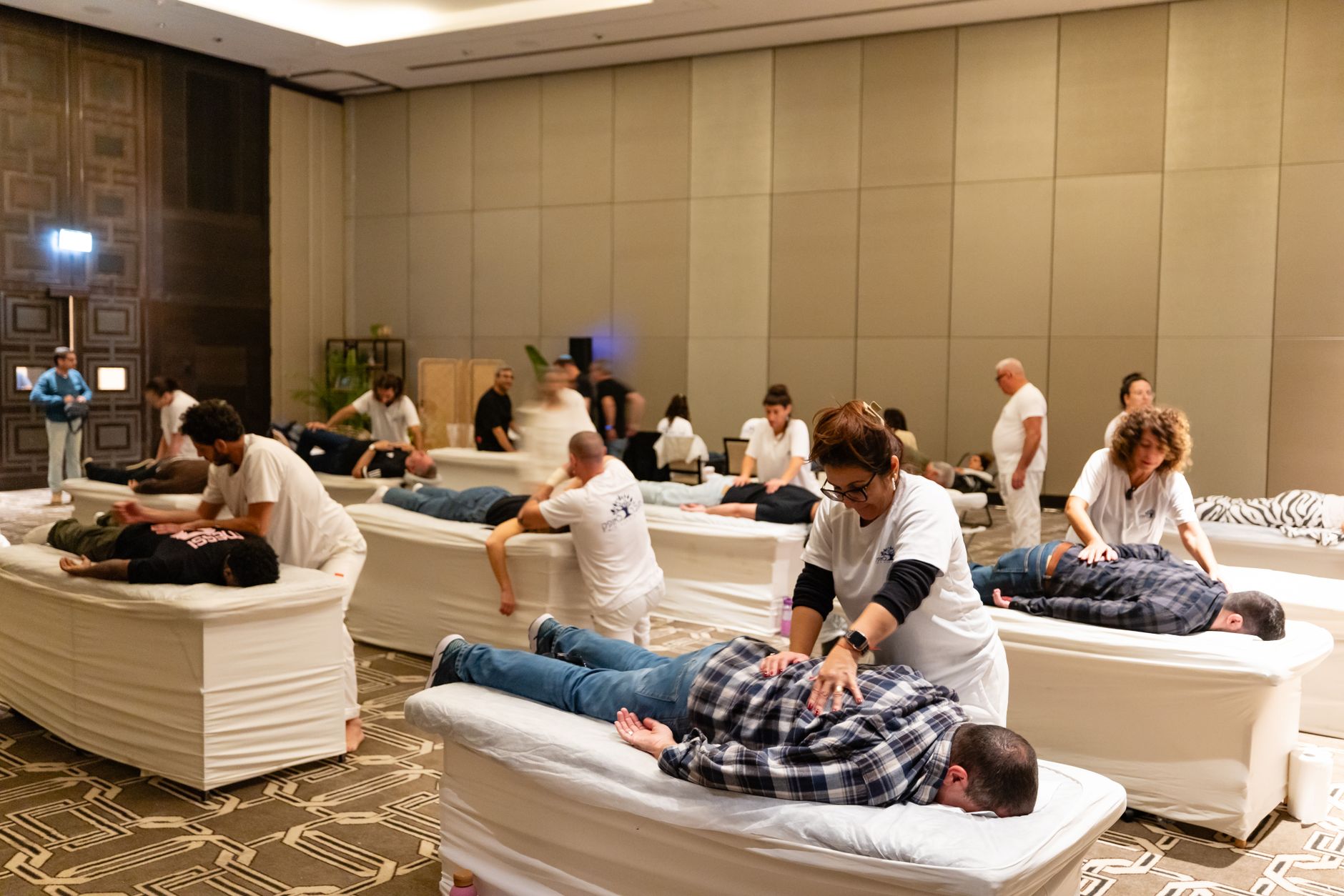
    According to a report from NewsChannel 10, Walmart is hosting its annual Wellness Day this Saturday. These in-store events typically offer free health screenings and information at no cost to shoppers.

    The details in the report were limited, so I won’t pretend to know every offering at your local store. But the general idea is simple: you walk in, you get some free checks, and you walk out knowing more about your body than you did an hour ago.

    That’s it. No catch. And that’s exactly why it’s worth your time.

    The real reason this matters

    Most people avoid basic health checks for one reason: friction. Booking an appointment. Finding time. Paying for it. Feeling nervous about what they’ll hear.

    An event like this strips almost all of that away. You’re already going to be near a store this weekend. The screening is free. There’s no scheduling. The barrier is basically zero.

    Here’s the honest truth about wellness: it rarely fails because people don’t care. It fails because the easy version doesn’t exist yet. When someone hands you the easy version, take it.

    A number you know is a number you can work with. A number you avoid controls you quietly.

    How to actually use Saturday

    Showing up is good. Showing up with a plan is better. Don’t just wander in and forget it by Sunday. Do this instead:

    1. Write down whatever they tell you. Take a photo of the readout or type it into your phone. Numbers you don’t record disappear.
    2. Pick one number to pay attention to. Not all of them. One. The one that surprises you or nudges you a little. That’s your focus.
    3. Ask one question out loud. If someone’s there to answer, use them. “What’s a healthy range for this?” is enough.

    That’s the whole move. Free info is only useful if it turns into a next step.

    What this means for everyday people

    You don’t need a gym membership or a fancy tracker to start caring for your body. Sometimes it starts with a folding table at a store and a five-minute check you almost skipped.

    Small, low-cost touchpoints like this are how normal, busy people stay ahead of problems instead of reacting to them later. It’s not glamorous. It works.

    One thing to do today

    Before Saturday even arrives, do this: put a reminder in your phone right now. Name it something plain like “Walmart Wellness Day – bring phone to log numbers.” Set it for the morning.

    Why today? Because intentions fade and calendars don’t. The version of you that’s motivated right now can hand a plan to the version of you that’s tired Saturday morning. That handoff is the whole game.

    And if the readings nudge you toward wanting a simple reset, keep it gentle. You don’t need a dramatic overhaul. You need a starting line you’ll actually cross.

    That’s exactly why we built the free 7-Day Mind-Body Reset at manifestedfit.com. It’s a short, no-pressure way to turn a single moment of “okay, I want to take care of myself” into a week of small, doable actions. Pair it with whatever you learn Saturday and you’ve got momentum instead of just a photo of a number in your phone.

    The bottom line

    A free wellness event is a gift most people leave on the table. Don’t be most people. Show up, write down what you learn, pick one thing, and follow it for a week.

    Knowing your numbers isn’t scary. Ignoring them is. Go find out.

    Originally reported by NewsChannel 10: “Walmart hosting annual Wellness Day Saturday”. The summary and takeaways above are our own.

  • Scripting Your Ideal Ordinary Day: A Manifestation Exercise

    Scripting Your Ideal Ordinary Day: A Manifestation Exercise

    Most manifestation advice tells you to dream big. Picture the mansion. The award. The dream trip. And sure, that feels good for about ten minutes.

    But here is the real reason it rarely sticks: your life is not built out of big moments. It is built out of ordinary Tuesdays. If you cannot picture a normal day you actually like living, no amount of grand visualizing will help.

    So today we are doing the opposite. We are scripting an ordinary day. Nothing flashy. Just a regular, unremarkable day that feels good to be inside of. And here is what to do about it.

    Why the ordinary day beats the fantasy

    A fantasy is a destination. A day is a set of choices. When you script an ordinary day, you are not chasing a finish line. You are describing how you want to move through the hours you already have.

    That matters because those hours are where change actually happens. You do not become calmer in one dramatic breakthrough. You become calmer by choosing a slower morning eleven days in a row. Scripting your day makes those small choices visible so you can start making them on purpose.

    How to write your ideal ordinary day

    Grab a notebook or open a blank note. You are going to write a full day, start to finish, as if it is already happening.

    1. Write in present tense

    This is the whole trick. Not “I want to wake up rested.” Instead: “I wake up before my alarm and lie still for a minute, feeling rested.”

    Present tense does something simple and useful. It stops you from writing a wish list and forces you to describe a real, lived scene. Your brain reads it less like a goal and more like a memory. That is what makes it easy to step into later.

    2. Follow the actual clock

    Move through the day in order. Morning, midday, afternoon, evening. Write what you do, but keep it grounded:

    • How you wake up and the first thing you reach for
    • What breakfast looks like and how slowly you eat it
    • How you start your work or your tasks
    • What you do on a break
    • How you handle the afternoon slump
    • How the evening winds down
    • The last thing you think about before sleep

    Keep it realistic. This is an ordinary day, not a vacation. You still work, still do dishes, still answer messages. You are just doing them as the version of you that feels settled.

    3. Focus on feelings, not objects

    Here is where most people go wrong. They script a fancy kitchen and a new car and stop there. Objects are easy to picture and impossible to live in.

    Instead, describe the feeling underneath. Not “I drink coffee from my expensive machine” but “I drink my coffee warm and unrushed, and I feel like the day belongs to me.” The object can stay if you want it. But the feeling is the part you can actually create tomorrow morning, for free.

    Ask yourself at each point in the day: How do I want to feel here? Calm. Focused. Generous. Playful. Write that in. The feeling is the target. Everything else is just the setting.

    4. Keep it short and repeatable

    You are not writing a novel. A page is plenty. If it is too long, you will never reread it, and rereading is the point. Trim it to the scenes that matter most.

    The part almost everyone skips

    Writing the script once feels great. Then people close the notebook and forget it existed.

    The real work is rereading it. Not as a chore. As a gentle intention-setter.

    Read your ordinary day script in the morning, before the noise starts. It takes ninety seconds and it quietly tells your brain what you are aiming for today.

    When you read it first thing, you prime yourself to notice the small choices that match. You reach for the calmer option a little more often. You take the unhurried breakfast instead of eating over the sink. Not because the script is magic, but because you reminded yourself what you actually want before the day made the decision for you.

    What to do this week

    Here is your simple plan:

    1. Tonight, write one ordinary day, present tense, one page.
    2. Mark the feeling word beside each part of the day.
    3. Each morning this week, reread it before you touch your phone.
    4. At night, notice one moment that matched. Just one.

    That last step is what turns a nice writing exercise into a habit. You are training yourself to see when your real day and your ideal day overlap. The more you notice it, the more you create it.

    Your ordinary days are not the boring part of your life you have to get through to reach the good stuff. They are the good stuff. Scripting one is just deciding, on paper, to live it on purpose.

    If you want a simple structure to build these small daily choices into a routine, my free 7-Day Mind-Body Reset walks you through it one day at a time. It pairs nicely with this exercise.

    Write the day you want to live. Then go read it tomorrow morning.

  • Nonye Soludo Says Sleep, Food, and Movement Build a Healthy Brain

    Nonye Soludo Says Sleep, Food, and Movement Build a Healthy Brain

    What was reported

    According to a report from Realnews Magazine, Nonye Soludo, wife of the Anambra State governor, urged people to pay attention to three things for a healthy brain: nutrition, sleep, and exercise.

    The details of her remarks weren’t available to me, so I’ll keep this simple and honest. The headline suggests she’s making the case that everyday habits, not miracle fixes, are what keep the mind sharp. That’s a message worth repeating.

    No fancy program. No expensive supplement. Just the three levers most of us already know about and most of us still neglect.

    The Manifested Fit take

    Here’s the real reason this lands: your brain isn’t separate from your body. It runs on the same fuel, the same rest, and the same circulation as everything else. When you eat well, sleep enough, and move your body, your brain gets the conditions it needs to think clearly and stay steady.

    People love to overcomplicate this. They chase focus hacks and productivity tricks while running on four hours of sleep and gas-station snacks. Then they wonder why their head feels foggy.

    The boring answer is usually the right one. Let’s break down why each of the three matters in plain terms.

    Nutrition

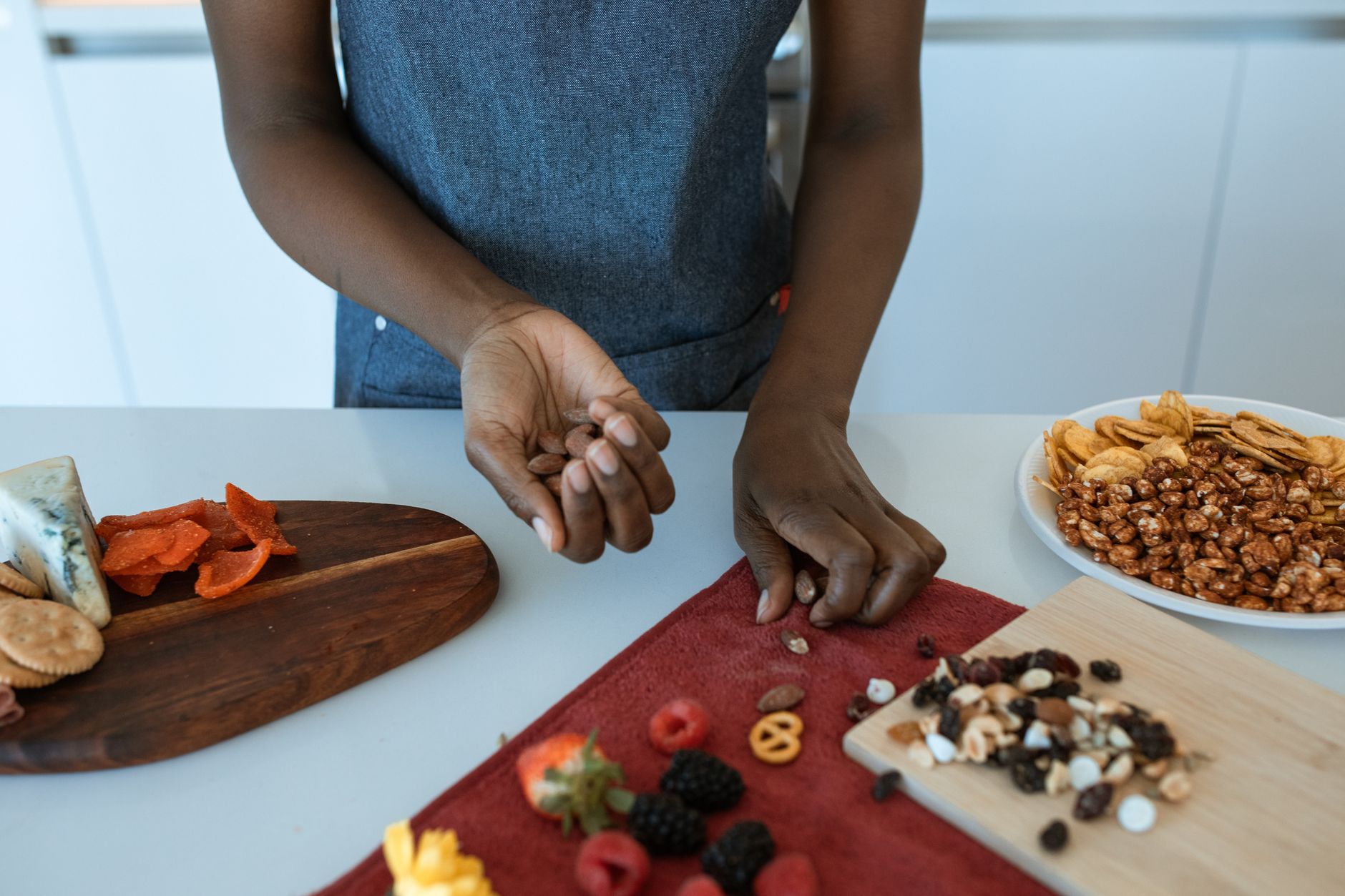
    Your brain is greedy. It uses a big share of your daily energy. Feed it steady, real food and you give it something to work with. Skip meals or live on sugar spikes and you’ll feel the crash in your thinking, not just your body.

    Sleep

    Sleep is when your brain files the day away and clears out junk. Short-change it and everything else gets harder. Your mood, your memory, your patience. You can’t out-hustle a sleep deficit.

    Exercise

    Movement pumps blood and oxygen to your head. It also lifts your mood in a way that’s hard to fake. You don’t need a marathon. A daily walk counts. Consistency beats intensity every time.

    One thing you can do today

    Pick the weakest link. Be honest about which of the three you’re neglecting most right now.

    • If it’s sleep, set a bedtime alarm tonight. Not a wake-up alarm. A go-to-bed alarm, 30 minutes before you actually want to be asleep.
    • If it’s nutrition, add one real thing to your next meal. A handful of nuts, a piece of fruit, some vegetables. Add before you subtract.
    • If it’s exercise, take a 10-minute walk. Today. No gym, no gear, no excuse.

    Just one. Trying to fix all three at once is how people burn out by Wednesday. Small and steady wins here.

    Why the mindset piece matters too

    Here’s what a lot of health advice leaves out: your beliefs about yourself run in the background of every choice. If you quietly think you’re the kind of person who never sticks with anything, you’ll prove yourself right.

    You don’t rise to your goals. You fall to your habits, and your habits follow your self-image.

    So while you’re building the physical basics, build the story too. Tell yourself you’re someone who takes care of their mind and body. Then let one small action back it up. That’s how a passing intention becomes an identity.

    If you want a simple structure to bring these pieces together, the free 7-Day Mind-Body Reset at manifestedfit.com walks you through gentle movement, better rest, and a calmer mindset one day at a time. No pressure, no overhaul. Just a starting point.

    Bottom line

    A public figure reminding us to sleep, eat, and move isn’t groundbreaking. It’s a nudge. And sometimes the nudge is exactly what we need to stop overthinking and start doing.

    Your brain will thank you for the basics. Pick one today.

    Originally reported by Realnews Magazine: “Soludo’s wife, Nonye urges nutrition, sleep, exercise for healthy brain”. The summary and takeaways above are our own.

  • FDA Reviews Peptide Injections: What Everyday People Should Actually Do

    FDA Reviews Peptide Injections: What Everyday People Should Actually Do

    What the headline says

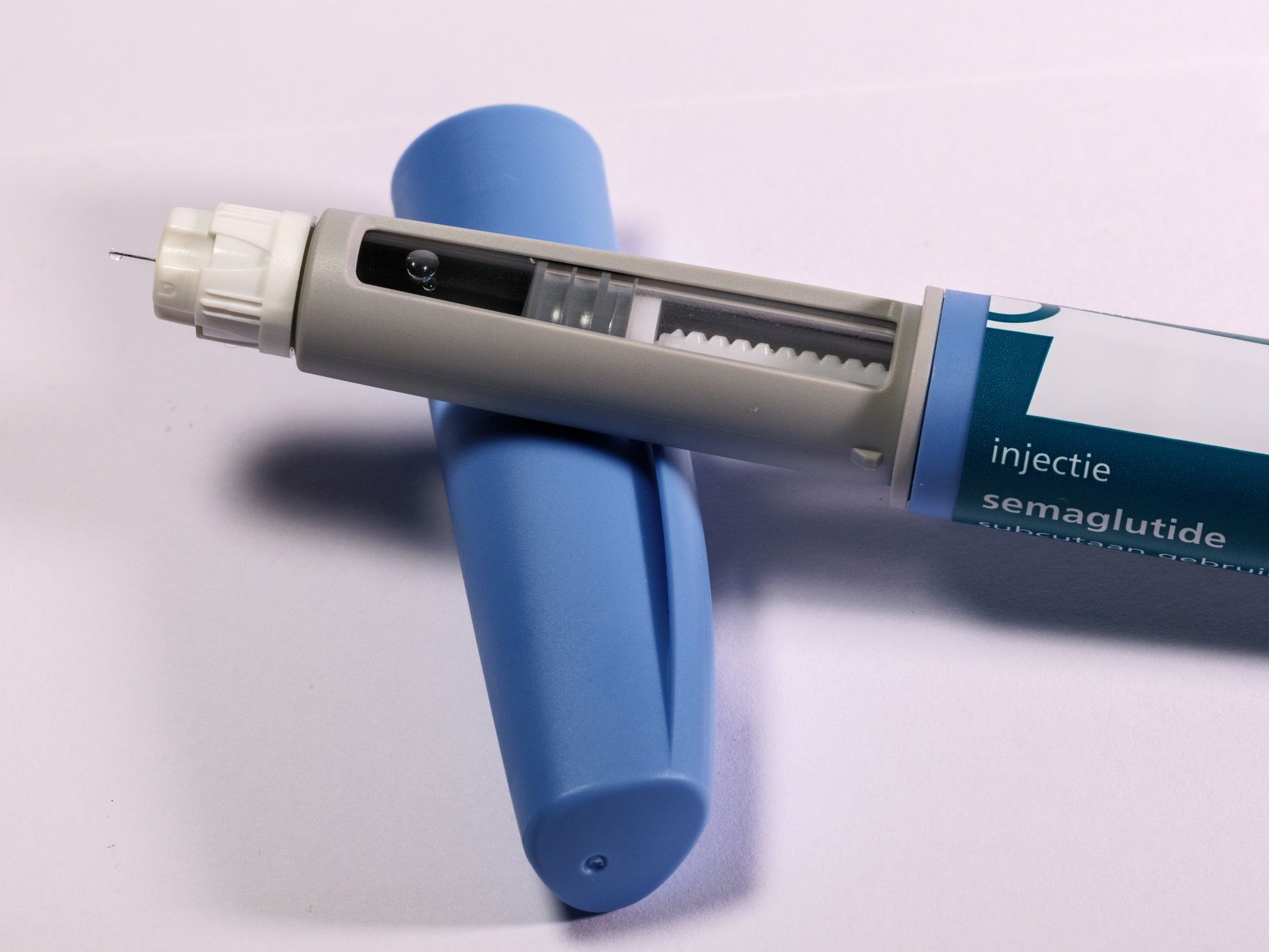
    A new report, as reported by the Toronto Star, suggests the FDA is taking a closer look at peptide injections. These are the shots getting buzz from wellness influencers and, according to the headline, figures like RFK Jr.

    The details of the review aren’t fully clear from the headline alone. But the pattern is familiar. A supplement or injection catches fire online. Big promises follow. Then regulators step in to ask the obvious question: is this actually safe and does it do what people claim?

    That’s the whole story right now. Not a ban. Not a green light. A review. Which is exactly the moment to slow down and think instead of hitting “buy.”

    Here’s the real reason this keeps happening

    Every year there’s a new miracle thing. Peptides this year. Something else next year. The reason isn’t science. It’s psychology.

    We want a shortcut. We want the injection, the powder, the hack that skips the boring work. Influencers know this. So they sell the shortcut, and it moves fast because it feels easier than showing up daily for months.

    But here’s the catch. When something is still under review, you are the test group. You’re paying money to be an experiment with no long-term data. That’s not empowerment. That’s a gamble dressed up as self-care.

    The stuff that actually changes your body and mind is rarely the thing being advertised to you this week.

    What this means for everyday people

    I’m not here to tell you what to inject. I’m not a doctor and I won’t pretend to be. If you’re genuinely curious about any prescription treatment, that conversation belongs with a licensed provider who knows your full history.

    What I will say is this. The excitement around peptides tells you more about the market than about your body. When a product needs an influencer to sell it, ask why the results aren’t selling it on their own.

    Here’s what the review should remind us:

    • New and trendy is not the same as proven. A review means the questions haven’t been answered yet.
    • Free advice online usually isn’t free. Someone’s getting paid, and it’s often at your expense.
    • Your foundation is unglamorous on purpose. Sleep, movement, food, and stress management don’t trend. They just work.

    One thing you can do today

    Instead of chasing the next injectable, pick one boring foundation and lock it in for the next seven days. Just one.

    1. Pick your lever. Sleep, a daily walk, or drinking water before coffee. Choose the one you’ve been ignoring.
    2. Shrink it. Make it so small it feels almost silly. Ten-minute walk. Lights out fifteen minutes earlier. One glass of water.
    3. Track it visibly. A checkmark on your phone or a sticky note on the mirror. Seeing the streak builds the identity.
    4. Notice the shift. By day five you won’t feel like you’re forcing it. That’s the point. That’s what real change feels like.

    This isn’t as exciting as a shot that promises to fix everything. But it’s yours. Nobody can put it under review. Nobody can take it off the market. And the compounding effect is real.

    The mindset piece nobody sells you

    Manifestation gets a bad rap because people think it’s wishing. It’s not. It’s deciding who you’re becoming and then acting like that person daily. The woman who chases every injectable trend has a different self-image than the one who trusts her own consistency.

    Choose the second one. She wins, quietly, over time.

    If you want a simple structure to build that consistency, grab the free 7-Day Mind-Body Reset at manifestedfit.com. It’s a week of small, doable moves that stack. No injections. No hype. Just the boring stuff that actually holds.

    Let the FDA do the reviewing. You do the showing up.

    Originally reported by Toronto Star: “FDA reviews peptide injections favored by RFK Jr. and wellness influencers”. The summary and takeaways above are our own.

  • Wall Sits and Wonder: A Gentle Movement Snack You Can Do Anywhere

    Wall Sits and Wonder: A Gentle Movement Snack You Can Do Anywhere

    Here is the real reason you keep skipping workouts: they feel like an event. Change your clothes, find 45 minutes, drive somewhere, come home wrecked. Your brain does the math and quietly opts out.

    So stop scheduling events. Start eating snacks.

    A movement snack is a tiny burst of activity, 30 seconds to two minutes, that you do in your regular clothes, in your kitchen, between the things you already do. No sweat. No gear. No shame if you miss one. The point isn’t to torch calories. The point is to keep your body awake and your mind steady, over and over, all day long.

    Why snacks beat feasts

    Consistency wins. A person who moves for one honest minute, eight times a day, is building a stronger relationship with their body than someone who plans a big workout and does it twice a month. Tiny reps are easy to repeat. Easy to repeat means they stick. That’s the whole game.

    Four beginner moves, zero equipment

    Pick one to start. You do not need all four today.

    1. The wall sit

    Stand with your back against a wall. Walk your feet out and slide down until your knees are bent, somewhere between a light sit and a full 90 degrees. Go only as low as feels good. Hold for 15 to 30 seconds. Breathe.

    2. Counter push-ups

    Place your hands on the edge of a sturdy counter, walk your feet back, and lower your chest toward the counter, then press away. Ten slow reps. The higher your hands, the easier it is, so start high.

    3. Sit-to-stands

    Sit at the front of a chair. Stand up without using your hands. Sit back down with control. That’s one. Do five to ten. This is one of the most useful movements you can train because you already do it a hundred times a day.

    4. Calf raises

    Stand tall, rise up onto the balls of your feet, hold for a beat, lower slowly. Hold the counter for balance if you need it. Do ten to fifteen. Great while you’re already standing around waiting for something.

    Pair the move with a line that means something

    Here’s where the mind-body part earns its keep. When you move, your brain is paying attention. That’s a good moment to hand it a thought worth keeping.

    Match one short affirmation to each move and say it, out loud or in your head, while you do the reps. Not because the words are magic. Because you’re teaching your nervous system to link effort with a feeling of capability instead of dread.

    • Wall sit: “I can hold steady when things get hard.”
    • Counter push-ups: “I create space by pushing gently, not forcing.”
    • Sit-to-stands: “I rise on my own strength.”
    • Calf raises: “I lift myself, a little at a time.”

    Keep them true and simple. A line you actually believe beats a grand one you roll your eyes at.

    Stack it onto something you already do

    Willpower is unreliable. Triggers are not. The fastest way to make a movement snack automatic is to bolt it onto a habit that already happens without you thinking.

    The kettle is perfect. You flip it on, you’ve got 90 seconds of dead time, and you’re already standing in the kitchen.

    1. Pick your anchor. Kettle boiling. Coffee brewing. Microwave running. Ad break. Toothbrush charging.
    2. Attach one move. “While the kettle boils, I do a wall sit.” Say it as a sentence. That sentence is the plan.
    3. Say your line while you move. One move, one affirmation, done before the water’s hot.
    4. Let the anchor remind you. Soon the sound of the kettle will pull you toward the wall without a single reminder app.

    Do this and you’ll rack up several movement snacks a day without ever “finding time.” The time was already there. You just filled it.

    You don’t rise to the level of your goals. You fall to the level of your smallest, most repeatable habit.

    A realistic first week

    Choose one move and one anchor. That’s it. Wall sit while the kettle boils, say your line, move on with your morning. When it feels automatic, add a second pairing. Build slowly on purpose, because slow is what lasts.

    If you want a gentle framework to build these small habits into a daily rhythm, the free 7-Day Mind-Body Reset at manifestedfit.com walks you through pairing tiny movements with mindset work, one day at a time.

    You don’t need a better plan. You need a smaller one you’ll actually do. Flip the kettle. Face the wall. Say your line. That’s a whole practice, hiding inside 90 seconds you were going to waste anyway.